How Generative AI Is Redefining Brand Identity Systems
For decades, brand identity systems were built around consistency above all else.
Logos stayed fixed, color palettes were locked down, and typography rules were carefully controlled to avoid variation.
This approach made sense when brands communicated through a limited number of channels. But today’s brands live everywhere at once, across websites, apps, social platforms, motion graphics, and interactive products.
Generative AI is accelerating a shift that was already underway. Instead of treating identity as a rigid set of assets, brands are beginning to see it as a flexible system that can adapt to context, audience, and medium.
This change is reshaping how designers think about identity design, governance, and long-term scalability.
In this post, we explore how AI is redefining brand identity systems and how designers can prepare for this AI-first future.
From Fixed Assets to Living Systems

Traditional identity systems focused on fixed deliverables. Designers created a logo, selected brand colors, chose typefaces, and documented usage rules. Once approved, these elements rarely changed.
The system relied on repetition to build recognition. Generative AI challenges this model by introducing controlled variation.
Instead of one logo, brands can design AI logo systems that generate multiple expressions from a shared foundation. Shapes, patterns, or typographic elements can shift while still feeling recognizably on brand.
This approach does not eliminate consistency. It reframes it. Consistency moves from exact repetition to recognizable structure.
The brand becomes identifiable through behavior rather than sameness.
Why Generative AI Fits Modern Brand Needs
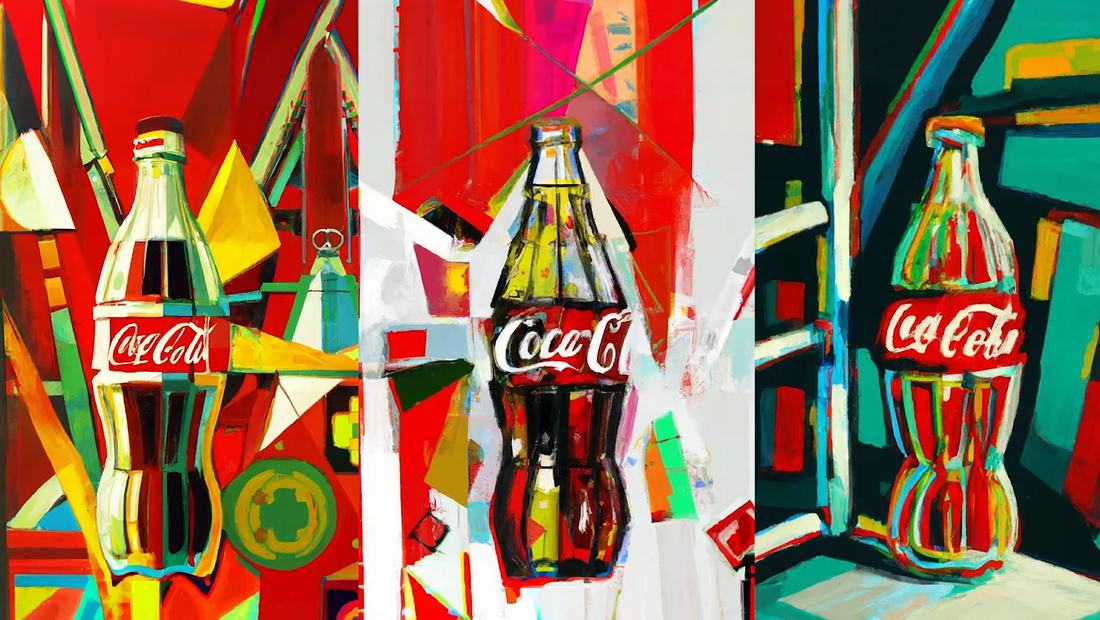
Modern brands need to move quickly. Campaigns launch faster, content cycles are shorter, and personalization is increasingly expected.
Static identity systems struggle to keep up with this pace without constant manual updates.
Generative AI makes it possible to produce brand assets dynamically while respecting established rules.
“Companies that have successfully incorporated AI into their marketing strategies have been more calculated about harnessing the technology, rather than simply jumping on a popular trend or using it to cut costs” – Harvard Business School
Visuals can be generated in real time for different formats, languages, or audiences without starting from scratch. This flexibility is especially valuable for global brands managing multiple markets and platforms.
By automating variation, AI helps brands stay visually fresh without losing cohesion. This is one of the biggest advantages of generative branding systems.
Designers Become System Architects
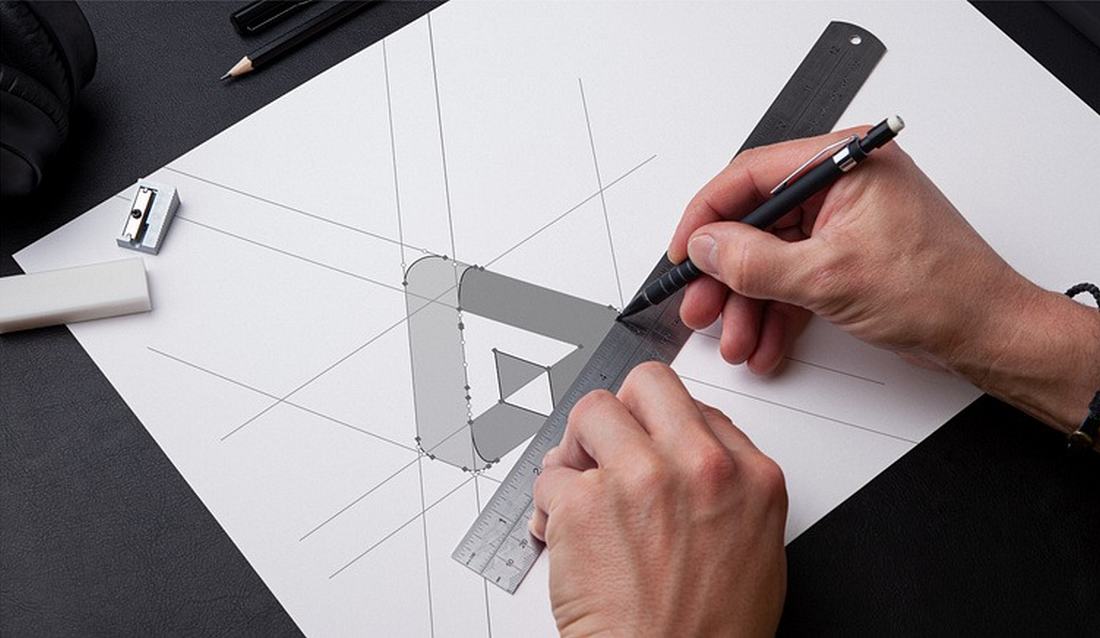
As generative tools become more common, the designer’s role changes. Rather than crafting every asset by hand, designers focus on defining constraints, behaviors, and relationships within the system.
This requires a deeper understanding of brand logic. Designers must articulate what makes the brand recognizable beyond surface-level aesthetics.
They need to define which elements are fixed, which are flexible, and how variations should behave across contexts.
This shift elevates design work. It moves identity design closer to product design and systems thinking. Designers become architects of brand behavior, not just creators of visuals.
Balancing Control and Creativity
One concern brands often have about generative AI is loss of control.
Without clear boundaries, AI-generated outputs can drift away from brand intent. This is why strong system design is essential.
Effective generative branding systems rely on clear constraints. These include color rules, typographic limits, composition logic, and tone guidelines.
When these constraints are well defined, AI becomes a reliable collaborator rather than a risk.
Control does not mean rigidity. It means intentional flexibility. Brands decide where variation is allowed and where consistency is critical. AI operates within those boundaries.
How to Design a Generative Identity System
Here’s how you should approach generative idendity system design.
1. Define the Core Brand DNA First
Before introducing any generative logic, clearly define what makes the brand recognizable.
This includes its core values, personality traits, visual tone, and emotional intent. A generative system can only work if there is a strong foundation it can consistently return to.
2. Decide What Must Stay Fixed vs What Can Flex
Not every brand element should change. Identify which components are non-negotiable, such as logo proportions, primary typeface, or core color relationships.
Then define which elements can adapt, like patterns, secondary colors, compositions, or motion behavior. This balance keeps the identity recognizable while allowing variation.
3. Translate Visual Style Into Clear Rules
Generative systems rely on rules, not intuition. Convert visual preferences into instructions that can be followed repeatedly.
This may include grid behavior, spacing ratios, color distribution, typographic hierarchy, or image cropping logic. Clear rules prevent outputs from feeling random or off brand.
4. Design the System, Not Individual Assets
Instead of focusing on single logos or layouts, design how elements behave together. Think in terms of relationships, patterns, and responses.
A strong generative identity focuses on how visuals adapt across contexts rather than how one asset looks in isolation.
5. Test the System Across Real Use Cases
A generative identity must perform well in real situations. Test it across different platforms, formats, and content types.
This includes social media, websites, motion, product UI, and marketing materials. Testing reveals weaknesses in the rules and helps refine the system before it scales.
6. Build Governance Into the System Early
Without governance, generative identities can quickly lose coherence. Define who controls the system, how outputs are reviewed, and how updates are made.
Clear ownership and documentation ensure consistency as more teams and tools interact with the identity.
7. Allow Room for Evolution Without Losing Recognition
A successful generative identity is flexible enough to grow over time. Plan for future adaptations by allowing controlled experimentation zones or seasonal variations.
Evolution should feel intentional, not disruptive. When done well, the identity stays familiar even as it changes.
Common Pitfalls Brands Need to Avoid

One of the biggest mistakes is adopting generative tools without a clear identity foundation.
When brands jump straight to AI without understanding their own visual language, the results feel random rather than intentional.
Another common issue is overusing variation. Not every brand benefits from high levels of change. Some audiences value stability more than novelty.
Designers must decide where adaptability adds value and where restraint is more appropriate.
Finally, teams sometimes underestimate governance. Without shared guidelines, different departments may generate conflicting outputs.
This weakens trust and undermines the system. Generative identity requires coordination, not just technology.
Ethics and Responsibility in Generative Identity Design
Generative AI introduces ethical considerations that designers must address. Automated systems can unintentionally reinforce bias or exclude certain audiences if not guided carefully.
Brands need to define ethical boundaries clearly. This includes inclusive representation, accessibility standards, and transparency about AI-generated content.
Designers play a key role in ensuring that generative systems reflect brand values, not just visual preferences.
Responsible generative branding is about trust. Audiences should feel confident that the brand behaves thoughtfully across all interactions.
Conclusion
Generative AI does not reduce the importance of designers. It changes where their expertise is applied. Designers become system thinkers, strategists, and curators rather than asset producers alone.
This requires new skills, such as defining rules, testing systems, and thinking in terms of behavior rather than static outcomes. It also creates new opportunities for creativity. Designers can explore broader visual spaces while maintaining control through structure.
The designer’s role becomes more influential because it shapes how the brand evolves over time.