Search Results For: adobe

DPI vs. Pixels: What Do I Use?

Graphics / 4 Oct 2017

DPI vs. Pixels: What Do I Use?

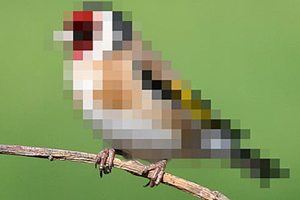
You hear these phrases tossed around by everyone today – from amateur photographers, to the iPhone salesman, to some of the world’s most acknowledged visual creators and designers. But what do image size specs really mean? And what should you use?

Simply, it all depends on your project. Knowing what medium you are creating for and how your images will be used is key to sizing and picking the right number of pixels or DPI. Before you begin your next project, though, make sure you are familiar with all the image-quality jargon.
Color Fonts: A Beginner’s Guide

Typography / 31 May 2017

Color Fonts: A Beginner’s Guide

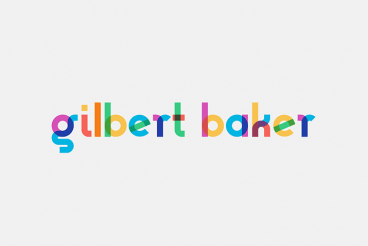
So what in the heck is a color font? It’s a term that keeps popping up and is starting to gain traction, although use in large design projects is still in its infancy.

Vendors such as Adobe’s Typekit have started to release some color font options with browser support, so there’s some movement toward wider use. Some have even called color fonts “the next big thing in web design.”

Here, we’ll look at the trend and let you decide how big – or not – this concept will be.

How to Customize an iPhone or iPad Mockup

iPhone Mockups / 2 Mar 2017

How to Customize an iPhone or iPad Mockup

It’s crunch time, and a client wants to see their design as it would look on an iPhone or iPad. Don’t fret; there are a number of ready-to-use mockups on the market waiting for your customization.

Customizing a mockup is an easy way to show off a design project in a realistic environment that’s sure to impress clients. Using a mockup can help others better visualize how the design will actually look with some idea of scale. (Sometimes it’s easy to forget not everyone sees and imagines a project in the same way you do.)

If you’ve never customized a mockup, it can be a little intimidating at first, but we’ll walk through the process.

Duotone Color: Tips & Examples for This Vibrant Trend

Graphics / 28 Sep 2016

Duotone Color: Tips & Examples for This Vibrant Trend

The next big web design image trend is here, and it’s vibrant, colourful, and beautiful!

Thanks to Spotify, duotone is growing in popularity almost daily. The effect, which uses a pair of colors over a photo is striking, fun and vibrant. It’s also quite trendy, with new sites changing to a duotone format almost daily. Here are a few ways to make the most of this hot design technique.

7 Tips for Designing Consistency

Graphics / 13 Jul 2016

7 Tips for Designing Consistency

Consistency will make your design better, easier to use, and practically invisible. It gives the user plenty of room to experience the design in the way you intend.

Designing for consistency is a no-brainer in some cases and a little trickier to understand in others. Quite simply, consistency is the thread that ties together elements in a single design. It also ties together designs across a single campaign or brand, creating a product that is distinguishable, usable and effective. Take special note of all the examples below, each brand is a leader when it comes to consistent and usable design.

Design Theory: The Rule of Three

Graphics / 21 Mar 2016

Design Theory: The Rule of Three

One. Two. Three. Now stop counting and think about how elements grouped in threes can work for your projects. It’s an interesting concept but one that crosses multiple disciplines.

In public speaking, three points in sequence are crafted to drive home a point. In photography and art, the rule of thirds helps you visualize the canvas differently. Even the American Declaration of Independence is rooted in three rights: life, liberty and the pursuit of happiness. How can you think more about groupings of three and implement this magic number into your projects? We have a few suggestions.

Web Design Debate: Do I Really Need to Use Sans Serif Fonts?

Typography / 26 Oct 2015

Web Design Debate: Do I Really Need to Use Sans Serif Fonts?

There’s long been a theory that serif typefaces are for printed projects and sans serifs are for website design. But with more high definition screens and great type options available, that rule just isn’t so much a rule anymore.

Whether you prefer serifs or sans serifs (or a combination of the two), the main objectives when choosing typefaces for digital design projects should be readability and legibility. Simple, you need to pick fonts that are sharp and easy to read on the screen. Part of this is related to usage, such as size and placement of text, and then to the style of typeface you choose.

The Practical Beginner’s Guide to SVG

Graphics / 12 Oct 2015

The Practical Beginner’s Guide to SVG

Although the format is not particularly new, SVG images are increasingly popular in the design of websites. All major web browsers support the format and SVG is changing the way we think about and render images for the web.

Why at they so popular? And what exactly is different about an SVG file? Today, we have the answers and everything else you need to know to get started with this file type. (As a little bonus, all of the images in this post are available in SVG from Creative Market.)

Use Abstract Geometry to Create Stunning Designs

Inspiration / 24 Sep 2015

Use Abstract Geometry to Create Stunning Designs

If you’ve ever found yourself in a design rut, wondering how to come up with some fresh ideas, then you’ve no doubt experienced how refreshing it can be to experiment with a new design style that’s completely outside of what you typically produce.

Today we’re going to do exactly that. I’ve been fascinated with a particular style lately and just itching to give it a test drive. We’ll start by analyzing this style’s characteristics through the work of others and then proceed to building something on our own using what we learn. Read on to see the step by step process.

Monochromatic Color: How to Use It Effectively

Inspiration / 19 Aug 2015

Monochromatic Color: How to Use It Effectively

While the thought of completing a design project with only one color might be intimidating, it can actually result in a pretty awesome aesthetic. Monochromatic color options are also a hot concept and can work for a lot of project types.

Monochromatic color is rooted in color theory and takes more than just picking a color and designing everything with it. You’ll want to consider the meaning and associations of the color you choose and how to make that hue work with other components in the page. Here, we’ll explore ways to help you better understand and effectively use monochromatic color in any of your design projects.

Designing Your Resume: Create the Perfect First Impression

CV & Resume Templates / 17 Aug 2015

Designing Your Resume: Create the Perfect First Impression

Resume design is as much about content design as aesthetics. It’s great to have a resume that stands out and makes a potential employer say “wow,” but that wow factor has to keep flowing as they read through the contents of your work history.

It’s a delicate balance between design and content. Treat developing your resume as you would any other design project. Start with the content first. Develop all the things that need to be on your resume and then let that drive the look of the words on the page. (And we all know resume design can be a challenge because there is so much text.)

Blurred Images in Web Design: How to Make Them Work

Graphics / 10 Aug 2015

Blurred Images in Web Design: How to Make Them Work

It’s an undeniable fact: using blurred images is a trending web design technique in 2015. It seems like everywhere you look there’s some element of blur.

But this is not a solution to some of your photo problems. It’s a distinct technique that takes practice to perfect and attention to detail to get it right. So before you jump on the trend, think about the options for using blurred images to decide if it is right for you and how you can make the best use of this technique in your projects.