Search Results For: break

Good Writing and Editing Is Part of Great Design

Business / 26 Mar 2014

Good Writing and Editing Is Part of Great Design

Good writing is arguably the most important piece of a design project. Yes, writing. It happens before the first sketch. And then it continues to happen throughout the design process as text is written, rewritten and edited multiple times.

A stellar design will only get you so far if the content is lacking. Clunky, mistake-laden, or even just plain boring copy will almost certainly ruin any project. Great copy will help a design shine. Here, we are going to look at what good writing and editing can do for your design projects. (Make sure to note the visual examples as well, and how the text and design work together seamlessly.)
Tips for Designing Better Mobile Typography

Mobile / 5 Mar 2014

Tips for Designing Better Mobile Typography

Mobile is big right now. But often the typography is small. When it comes to creating great type on small screens, there are plenty of challenges.

So how can you make the most of responsiveness, mobile design and typography? The first step is really understanding type and the second is by thinking about how people read. Put the two together and you will get a handle on creating great mobile type in no time. It’s a skill that every designer needs to master in the digital age.

Creating Visual Hierarchy With Typography

Typography / 3 Mar 2014

Creating Visual Hierarchy With Typography

Visual hierarchy is an important element in any design project. It tells people where to look and what things on the screen or printed page are most important. Hierarchy gives readers a sense of how to actually read material from start to finish with visual cues and flow.

While you can create visual hierarchy using a number of different tools, today we are going to look at ways to create structure with just typography. (And take a look at the images used throughout this post; they are all examples of great type hierarchy in action.)

6 Famous Logos That Leverage Inconsistent Design

Graphics / 29 Dec 2013

6 Famous Logos That Leverage Inconsistent Design

One of the most powerful tools that you can use to improve any design is repetition. Repeating colors, shapes and other visual elements throughout a design increases consistency and familiarity so that the design feels more attractive.

But what about the flip side of this idea? Is it possible to wield inconsistency in such a way that it improves the quality of a design? It turns out that lots of well known logos use this very tactic. Read on to see what they are.

Learn by Example: 6 Lessons for Designing Restaurant & Food Websites

Graphics / 22 Nov 2013

Learn by Example: 6 Lessons for Designing Restaurant & Food Websites

Today’s topic is a delicious one: restaurant and food websites. Small businesses pay the bills for freelance designers and local restaurants can serve as a major source of revenue. If you’re embarking on your first restaurant site design though, there are a few things that you should know.

In this article, we’ll learn by example as we take a look at lots of mouthwatering food and restaurant websites. By examining what these designers got right, you’ll help ensure your own success in this area.

Build a Freaking Awesome Pure CSS Accordion

CSS / 8 Nov 2013

Build a Freaking Awesome Pure CSS Accordion

Who has two thumbs and loves to push the bounds of CSS? This guy. Let’s jump into a project that does just that. It’s pretty experimental and won’t pass the semantic police, but it’ll teach you a heck of a lot about advanced CSS tactics and will be tons of fun.

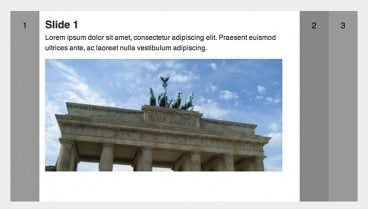
What we’re going to build is a pure CSS horizontal accordion slider. You’ll be able to insert as many slides as you want, each with unique content and each accessible via a click event, all without a lick of JavaScript. Impossible you say? Never!

5 Traits of Successful Minimalism

Minimalist Graphic Design / 2 Oct 2013

5 Traits of Successful Minimalism

At first glance, minimalist websites might look like they’ve just been slapped together as quickly as possible. After all, they’re plain and simple, and most people tend to associate lots of detail with good craftsmanship. But the same rules just don’t apply to the online world.

It only takes a small amount of user interaction to quickly reveal the quality of a minimalist site. This is because the original idea that fueled the rise of minimalism was that functionality is inherently beautiful. A design that clarifies and reveals the structure of a website can be just as appealing as one that obscures its purposes behind fancy decorative additions. Furthermore, it often yields a much better user experience, because those unnecessary distractions are eliminated.

The Importance of Designing for Readability

Mobile / 22 Jul 2013

The Importance of Designing for Readability

Text is not an afterthought in the design process. It should be your first consideration.

Readability should be one of the top concerns when it comes to any design project. If text can’t be read, then why are you designing in the first place? Good design delivers content in a way that is understandable; readability is a big part of comprehension. Today we’ll be discussing how you can plan a design around the words, so that your projects are easy to read.

What the Heck Is CSS Specificity?

CSS / 21 Jun 2013

What the Heck Is CSS Specificity?

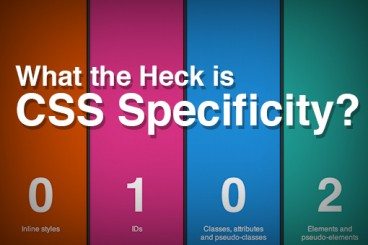
CSS specificity is a topic that many new front end coders avoid for as long as possible. It sounds complicated, there are all of these rules, you might even have to do some math! How lame is that?

Ultimately, you can only avoid it for so long. Specificity is an essential concept that you need to grasp to be an effective developer. Today I’ll walk you through the concepts of specificity in a simple and easy to understand manner. It’s easier than you think!

Understanding Agile Design and Why It’s Important

Business / 19 Jun 2013

Understanding Agile Design and Why It’s Important

It’s no secret that the agile development process has been hurtling through the development world for several years now, swatting aside the older, clunkier waterfall development method. To be fair, whether it was agile or something else, waterfall really had it coming, as its risk-averse, top down approach just can’t keep pace with the demands of today’s marketplace.

While similar changes are occurring in the design world, the agile design process should necessarily look and feel a little different than agile development; they are, after all, different disciplines. Let’s take a deeper look first at what agile development is, and then at a few great ways to adapt the process to the design world.

How to Choose Effective and Attractive Icons in Your Designs

Graphics / 20 May 2013

How to Choose Effective and Attractive Icons in Your Designs

Icons can be considered one of the universalities of web design; almost any website benefits from the addition of at least a few of them. So it’s tempting to assume that if you sprinkle in a handful of these little pictures, your job is done. But there’s a lot more to it than that: good icons should feel like they’re visually integrated into the group of images that they’re in, as well as into the site design as a whole. They need to have a conceptual clarity and purpose that goes beyond being mere eye candy. Any icon that doesn’t serve a stated purpose, or doesn’t convey the right concept in its imagery, is one that needs to be reconsidered.

Of course, there’s room for interpretation and generalization with any kind of imagery, but icons are not mere illustrations that are used purely to break up space and add interest: they’re visual metaphors that can invest meaning into a subject at a single glance; and as such, they’re a powerful tool for improving user experiences.

Should You Be Designing With QR Codes?

Business / 3 May 2013

Should You Be Designing With QR Codes?

QR codes are all the rage… aren’t they? Their presence certainly seems to have increased in recent years, indicating an impressive adoption rate among marketers. But does that mean that you should be using them? If a client asks you whether or not using QR codes is a good idea, what will you say?

Join us as we take an honest and critical look at both sides of the QR debate so you can decide for yourself whether or not you should be designing with QR codes.