Search Results For: break

Designing an Infographic? 5 Elements You Must Include

Graphics / 8 Feb 2017

Designing an Infographic? 5 Elements You Must Include

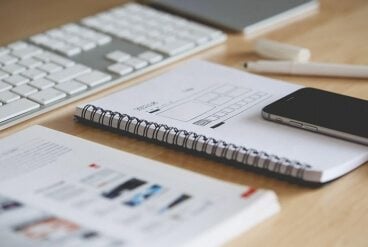
Designing an infographic is just like designing a website. It starts with a concept, goals and even a wireframe.

The big difference is that all the information for an infographic is contained in one unit, whereas a website has multiple pages and ways to engage users. You can almost think of an infographic as a flat, or static, mini-website. You can also design a one-page website as an infographic!

Here are five essential elements to help you make the most of your next infographic design.

What Are Design Ethics? (And Why Are They Important?)

Business / 30 Jan 2017

What Are Design Ethics? (And Why Are They Important?)

Are you an ethical designer? Is that something you even think about when taking on projects? Design ethics come in many forms – from how you choose projects, to how you work with clients, to copyrights and legal protection.

These written and unwritten codes help shape the way graphic design professionals interact, communicate and do business. It’s something you probably do need to think about, because you know and understand the bigger rules. But any time you stop and ask “should I do this or that?” design ethics are part of the conversation.

Thinking About Design Thinking: Is It Important?

Business / 23 Nov 2016

Thinking About Design Thinking: Is It Important?

Design thinking is the biggest buzzword in the design world since flat design. Everyone is talking about it… even non-designers. So what is design thinking? Is it important? Should you care?

Here’s the good news: design thinking is something that’s probably part of what you “just do” even if you didn’t have a name for it. Design thinking is another way to think about problem-solving. Let’s take a closer look, and delve into what it means, and why it can be useful!

How to Design for Long-Form Content

Layouts / 22 Nov 2016

How to Design for Long-Form Content

Forget what you think about user attention spans. Long-form content can be a valuable part of your design strategy (and doesn’t have to be a boring block of ongoing text). Users love a good story and long-form content is a great way to create an immersive and engaging experience.

To keep users interested – and scrolling – you have to design interactions that are visually pleasing and create a consistent experience from the first glimpse to the final act. Here are a few ways to design long-form content that meets those goals with a few examples that are anything but boring.

5 Website Layout Ideas That Never Get Old

Layouts / 24 Aug 2016

5 Website Layout Ideas That Never Get Old

There’s always that moment at the beginning of a website design project where you think “where do I start?” You’ll battle the desire to create something totally different and new versus something tested and reliable.

Realistically, there are a few layouts that just never get old. These patterns are generally accepted by users, easy to understand and provide a solid framework for pretty much any design and content type. Here, we’ll look at these five “timeless” website layouts and how to make the most of them for your next project.

What’s Flat 2.0 and Why Should You Care?

Graphics / 23 May 2016

What’s Flat 2.0 and Why Should You Care?

Just when you thought you had flat design figured out, everyone has shifted to talking about Flat 2.0. If you never took the leap into designing a flat project, now is the time.

Flat 2.0 is easier to use because it combines the best of flat design with additional user interface cues to help you create website design that’s beautiful and functional. It’s also highly adaptable and works with almost any concept. Unlike some of the purest flat designed websites, Flat 2.0 combines elements of flat with subtle additions to enhance user-friendliness. Let’s take a look at a few examples!

Design Trend: Square-Stacked Typography

Typography / 25 Apr 2016

Design Trend: Square-Stacked Typography

Everywhere you look these days, it seems like someone else is using stacked typography. Particularly square stacked typography. It’s a common design trend that we’re seeing more and more.

The trend is hard to ignore, and is worth replicating because this aesthetic is charming and impactful. There are plenty of ways to combine words and lines of lettering to create a design that is attention-grabbing. Today, we’ll look at exactly how to make the most out of the square stacked typography trend with examples from the Design Shack gallery. Read on for some great examples, and helpful tips!

How to Create a UI That Users Can Trust

UX Design / 19 Apr 2016

How to Create a UI That Users Can Trust

What does trust have to do with web design? Quite simply, everything. In a world where people hear about digital security breaches almost daily, designing and creating a user interface that users can trust is imperative.

Establishing this trust will help create a solid foundation between you and the user, it can contribute to sales and product loyalty, it establishes a sense of quality and success and sets the stage for a long-term and valuable user relationship. So how do you do it? Today, we have ten things you can do to create a UI that users can trust (with trustworthy examples, of course).

Designing for the Web: Are There Colors You Should Avoid?

UX Design / 30 Mar 2016

Designing for the Web: Are There Colors You Should Avoid?

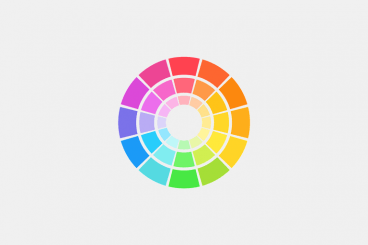
The web is a rainbow of color options. Color is a great tool for grabbing the attention of users, providing visual interest and impact and creating contrast for readability. Color is also at the center of many design trends, including flat and material styles.

But can you go wrong with color? Are there hues or combinations that you should shy away from? In a word … yes! Today we’re looking at colors or color combinations that you should avoid when designing websites and apps. (And on the chance that you’ve already made one of these mistakes, we offer alternative suggestions as well.)

How to Organize Complex Design Projects

Business / 29 Feb 2016

How to Organize Complex Design Projects

Not every design project is easy to delve into. Some projects, particularly new branding guidebooks, materials or website redesigns, can take a lot of time. There’s just so much content contained in the project.

Some projects are packed with information, images, video, downloads and other content that must be part of the final design, creating a specific design challenge. We talk about simplicity a lot, but what about those times when the project is anything but simple? Here, we’ll walk through ways to organize, manage and plan complex design projects.

Design Trend: How to Create a Cool Split Screen Aesthetic

Layouts / 22 Dec 2015

Design Trend: How to Create a Cool Split Screen Aesthetic

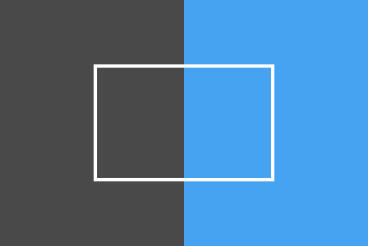
One screen divided in two. This might be one of the bigger design trends emerging right now. More and more websites are using design patterns that include two vertical or square panels placed side by side.

And it’s a nice aesthetic. The look is user friendly, can be adapted for a variety of needs, and helps guide navigation. It’s a trend that we are likely to see more of – and design – in the coming months. Today we are looking at a few great examples of split screen design with mini case studies and finding out how you can make the most of this design trend.

Grid-First Design: How to Create Vertical Rhythm and Harmony

Layouts / 8 Dec 2015

Grid-First Design: How to Create Vertical Rhythm and Harmony

When you hear grid, what’s the first thing that comes to mind? For most designers, it is often a horizontal based concept with columns across the canvas. This is especially true when thinking about web and digital design projects.

But what about vertical grids? It is just as important to create flow up and down the page as well. And there are a number of ways to do this with grid systems.