Search Results For: art

Design Trend: How to Create a Cool Split Screen Aesthetic

Layouts / 22 Dec 2015

Design Trend: How to Create a Cool Split Screen Aesthetic

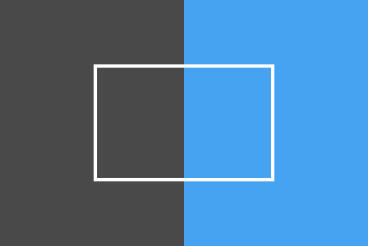
One screen divided in two. This might be one of the bigger design trends emerging right now. More and more websites are using design patterns that include two vertical or square panels placed side by side.

And it’s a nice aesthetic. The look is user friendly, can be adapted for a variety of needs, and helps guide navigation. It’s a trend that we are likely to see more of – and design – in the coming months. Today we are looking at a few great examples of split screen design with mini case studies and finding out how you can make the most of this design trend.

Grid-First Design: How to Create Vertical Rhythm and Harmony

Layouts / 8 Dec 2015

Grid-First Design: How to Create Vertical Rhythm and Harmony

When you hear grid, what’s the first thing that comes to mind? For most designers, it is often a horizontal based concept with columns across the canvas. This is especially true when thinking about web and digital design projects.

But what about vertical grids? It is just as important to create flow up and down the page as well. And there are a number of ways to do this with grid systems.

Designing for Trust: How to Build a Relationship With Your Audience

Business / 30 Nov 2015

Designing for Trust: How to Build a Relationship With Your Audience

Trust. How often do you think about this concept when working through a design project? Probably very often if you are associated with e-commerce, but what about other types of design?

Trust is a key component of user loyalty, and a reason why people come to your company or brand. While a lot of trust comes from past performance and a brand’s track-record, it also comes from the design. How a website, poster or package looks can impact how users feel about it and whether they take the leap from casual looker to brand loyalist.

The Evolution of Flat Design: Muted Colors

Graphics / 18 Nov 2015

The Evolution of Flat Design: Muted Colors

Today, we’re taking flat design to the next level. Not every project works with some of the bold, bright color choices that are commonly connected to flat design.

So don’t get stuck using them. Kick up your flat design scheme a notch with a more muted color palette. The subtle change can help give your site a trendy overhaul and help it stand out in the flat design crowd. Here we’re going to pick apart a few websites that are using this style exceptionally well to help you create a site using flat design and a muted color palette.

Web Design Debate: Do I Really Need to Use Sans Serif Fonts?

Typography / 26 Oct 2015

Web Design Debate: Do I Really Need to Use Sans Serif Fonts?

There’s long been a theory that serif typefaces are for printed projects and sans serifs are for website design. But with more high definition screens and great type options available, that rule just isn’t so much a rule anymore.

Whether you prefer serifs or sans serifs (or a combination of the two), the main objectives when choosing typefaces for digital design projects should be readability and legibility. Simple, you need to pick fonts that are sharp and easy to read on the screen. Part of this is related to usage, such as size and placement of text, and then to the style of typeface you choose.

How to Hold a Meeting That Gets Everyone Excited About Design

Business / 16 Oct 2015

How to Hold a Meeting That Gets Everyone Excited About Design

The dreaded project kickoff meeting. It’s on your calendar. You can’t avoid it. But you can make it a more memorable event that helps generate creativity among the members of your team.

The start of every project should be marked with excitement and anticipation. It’s the time when you and your team get to learn about a new client or idea and really get to go back to the basics of brainstorming and idea generation. It can, and should, be one of the most important parts of a design project and it needs to be anything but boring.

The Practical Beginner’s Guide to SVG

Graphics / 12 Oct 2015

The Practical Beginner’s Guide to SVG

Although the format is not particularly new, SVG images are increasingly popular in the design of websites. All major web browsers support the format and SVG is changing the way we think about and render images for the web.

Why at they so popular? And what exactly is different about an SVG file? Today, we have the answers and everything else you need to know to get started with this file type. (As a little bonus, all of the images in this post are available in SVG from Creative Market.)

Use Abstract Geometry to Create Stunning Designs

Inspiration / 24 Sep 2015

Use Abstract Geometry to Create Stunning Designs

If you’ve ever found yourself in a design rut, wondering how to come up with some fresh ideas, then you’ve no doubt experienced how refreshing it can be to experiment with a new design style that’s completely outside of what you typically produce.

Today we’re going to do exactly that. I’ve been fascinated with a particular style lately and just itching to give it a test drive. We’ll start by analyzing this style’s characteristics through the work of others and then proceed to building something on our own using what we learn. Read on to see the step by step process.

Are You a Right-Brained or Left-Brained Designer?

Business / 17 Sep 2015

Are You a Right-Brained or Left-Brained Designer?

Colors, pictures, creativity; designers are quite obviously a group of people that tend to gravitate towards using the right sides of their brains… right? Or is this simply a stereotype that doesn’t necessarily ring true?

Is design exclusively artistic talent put to productive use or is it possible that the industry is equally full of analytical problem solvers? Let’s take a look at how designers think, whether you’re a right brainer or a left brainer, and how I’ve struggled through being a left brainer in an industry of right brainers.

Design Banner Ads That Don’t Suck: 15 Design Tips

Graphics / 7 Sep 2015

Design Banner Ads That Don’t Suck: 15 Design Tips

There’s been a lot of recent chatter about banner ads. Are they fading? Are users actually clicking them? Are they dead? Are there better options available?

While it is true that banner ad clicks are in decline, that’s not the end of the popular online advertising format. While you can’t measure it, just seeing an ad helps create a user preference for that item, product or service. (Remember, ads have appeared on TV and in printed materials for decades without clicks to prove their success rates.) Today, we’ll look at 15 ways you can create banner ads that simply don’t suck. Take a look at the examples as well. They are 2015 winner of The Webby Awards for ad and website design. You can click through the images to learn more about each one.

10 Ways Designers Solve Problems

Business / 27 Aug 2015

10 Ways Designers Solve Problems

Designers, by nature, are problem-solvers. Every project is a problem or challenge that involves helping other people understand something. Designers have to see through all the fog and clutter to create a solution.

This creative type of problem solving comes naturally in part, but some of the actions are learned. Have you ever stopped to think about how you work to solve problems? Here we will examine 10 ways that designers do just that with a collection of abstract images to inspire some of that problem-solving thinking.

Monochromatic Color: How to Use It Effectively

Inspiration / 19 Aug 2015

Monochromatic Color: How to Use It Effectively

While the thought of completing a design project with only one color might be intimidating, it can actually result in a pretty awesome aesthetic. Monochromatic color options are also a hot concept and can work for a lot of project types.

Monochromatic color is rooted in color theory and takes more than just picking a color and designing everything with it. You’ll want to consider the meaning and associations of the color you choose and how to make that hue work with other components in the page. Here, we’ll explore ways to help you better understand and effectively use monochromatic color in any of your design projects.