Search Results For: art

Designing Your Resume: Create the Perfect First Impression

CV & Resume Templates / 17 Aug 2015

Designing Your Resume: Create the Perfect First Impression

Resume design is as much about content design as aesthetics. It’s great to have a resume that stands out and makes a potential employer say “wow,” but that wow factor has to keep flowing as they read through the contents of your work history.

It’s a delicate balance between design and content. Treat developing your resume as you would any other design project. Start with the content first. Develop all the things that need to be on your resume and then let that drive the look of the words on the page. (And we all know resume design can be a challenge because there is so much text.)
Blurred Images in Web Design: How to Make Them Work

Graphics / 10 Aug 2015

Blurred Images in Web Design: How to Make Them Work

It’s an undeniable fact: using blurred images is a trending web design technique in 2015. It seems like everywhere you look there’s some element of blur.

But this is not a solution to some of your photo problems. It’s a distinct technique that takes practice to perfect and attention to detail to get it right. So before you jump on the trend, think about the options for using blurred images to decide if it is right for you and how you can make the best use of this technique in your projects.

Kinetic Typography: An Introductory Guide

Typography / 5 Aug 2015

Kinetic Typography: An Introductory Guide

Kinetic typography seems to be everywhere these days. From television commercials to website landing pages, movable type is a popular visual tool. This popularity could come from a number of reasons but one obvious factor is that it catches your attention. People tend to be drawn to words and want to read them.

Kinetic typography puts this together with some simple animations to create words that move on the screen, grabbing your attention and engaging the senses. So let’s take a look at kinetic typography and how you can integrate it into some of your design projects. (Note: The examples in this article include animation; click the images for links to the original sources to see them in action.)

80 Clever Negative Space Logo Designs

How to Design a Logo / 31 Jul 2015

80 Clever Negative Space Logo Designs

Negative space is an inspiring field in the design world, where designers use the alternative color in a graphic to make a dual imagery and representation of a product. When it comes to negative space logo designs, agencies can incorporate multiple meanings in to their logo designs.

It’s a great way to capture a customers attention, and make them think twice. We’ve conducted a thorough search for some of the most interesting negative space logos, and collected 80 inspiring designs to give you an idea of what’s possible. Enjoy!

Modular Design: The Complete Primer for Beginners

Layouts / 27 Jul 2015

Modular Design: The Complete Primer for Beginners

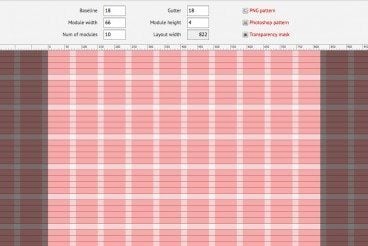
There are a lot of block and card style designs out there right now. For designers, they are both trendy and functional. The look is streamlined and simple and in terms of website design, works great in responsive frameworks.

The root of this design trend is modular design. And regardless of what you think, it’s not new. Modular design is rooted deep in design theory and has been used by a number of designers for a long time. Today we’re delving into the background, and practical applications, of modular design!

Typekit vs. Google Fonts: Pros and Cons

Google Fonts / 21 Jul 2015

Typekit vs. Google Fonts: Pros and Cons

Choosing the right font is an important aspect of any web design project. There are hundreds, even thousands, of great options out there and many can be used with free licenses thanks to tools such as Adobe Typekit and Google Fonts.

But is one service better than the other? Is there a benefit to Google Fonts or Typekit over the other? And just how can you get started with these tools if you have not used them yet. You are in luck, because today we’ll answer those questions.

How to Create a Twitter Header Photo: Examples and Best Practices

Graphics / 15 Jul 2015

How to Create a Twitter Header Photo: Examples and Best Practices

With more than 302 million monthly users and 500 million tweets per day, chances are you are using Twitter to promote yourself, brand or business. (And if you aren’t using the 140-character platform, what are you waiting for?)

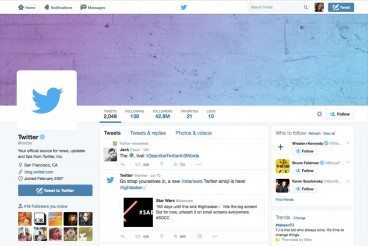
Twitter customization is a big part of your social media strategy. As a designer, creating a great header photo is an important part of the puzzle. Here we’ll take a look at ways to create a header photo and overall profile that stand out among the millions of other Twitter personalities out there and showcase a few pages for design inspiration.

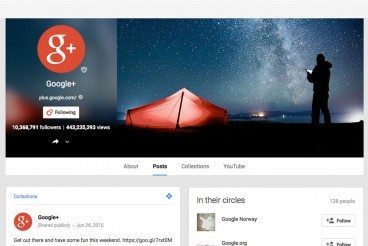
How to Create a Google+ Cover Image: Examples and Best Practices

Inspiration / 6 Jul 2015

How to Create a Google+ Cover Image: Examples and Best Practices

A Google+ cover image is more than just a photo. It is the first impression you are giving a potential customer or user about your business or website. The photo should represent who you are, what you do, and why users should engage with your page.

It should also serve as a gateway to other actions. Google+ is a business gateway and social media platform. The information you provide and share goes into search rankings and helps more users find you online. It all starts with a great cover photo.

20 Inspiring TED Talks for Designers

Inspiration / 25 Jun 2015

20 Inspiring TED Talks for Designers

Here’s your rainy-day game plan: Grab your laptop, find a comfy chair and get ready to be inspired about design. From how to think more creatively, to finding happiness in work, to learning something new, there are a plethora of great TED Talks just waiting for you to discover.

And we are making it easy for you with a roundup of 20 completely inspiring TED Talks here in one list. While some of the talks are newer, others have been around a while – TED has been around since 1984 – but all are sure to help you find a little design inspiration. (So bookmark this page, so you can find a new talk every time you are starting to feel a creative rut coming on.)

Minimalist Design Is Taking Over: Here’s Why

Minimalist Graphic Design / 15 Jun 2015

Minimalist Design Is Taking Over: Here’s Why

Everywhere you turn, another designer is releasing a project featuring a minimalist design style. This focus on space, simplicity and beautiful typography is refreshing. And it’s a great option for a number of design projects. That might be one of the reasons minimalist design is so popular.

But the trend is not brand new. Minimalism has been around almost as long as design itself. It’s a technique that ebbs and flows, but always remains as one of the classic styles, making it a design choice that almost always works.

Interaction Design: What Is It, and How Can You Use It?

Graphics / 8 Jun 2015

Interaction Design: What Is It, and How Can You Use It?

Interaction design might be the most talked about design concept of 2015. It’s something you should be thinking about and planning for in all of your digital projects.

But how can you make the most of interaction design? How can you design something people want to interact with? While some of those answers are changing with technology, one element remains the same – people want to use design that is intuitive, functional and aesthetically pleasing.

Asymmetrical Design: Creating Beautiful, Balanced Layouts

Layouts / 3 Jun 2015

Asymmetrical Design: Creating Beautiful, Balanced Layouts

How do you feel about asymmetrical design? That simple question can sometimes spark a lot of debate among designers. Asymmetrical design can be one of the more complicated techniques to pull off, but when done well results in beautiful and eye-catching designs.

While the definition of asymmetry is the lack of symmetry or equality between two halves; it is not a lack of balance as some wrongly assume. Designers can use asymmetry to create balance and harmony even though two sides of the design do not mirror one another. Here’s how to get started.