Search Results For: pattern

An Introduction to Horizontal Scrolling (+ Pros and Cons)

Navigation / 7 Jul 2021

An Introduction to Horizontal Scrolling (+ Pros and Cons)

Horizontal scrolling has come a long way from hero sliders. It’s now simpler to implement, somewhat more acceptable from a UX point of view, and offers plenty of creative opportunity.

A horizontal scrolling technique can be engaging and visually interesting. Conversely, some elements can be missed by users and it can present some accessibility challenges.

Here, we’ll look at everything horizontal scrolling, including pros and cons to help you figure out if this technique is right for your website design projects.

Design Trend: Abstract Art Compositions

Trends / 21 Jun 2021

Design Trend: Abstract Art Compositions

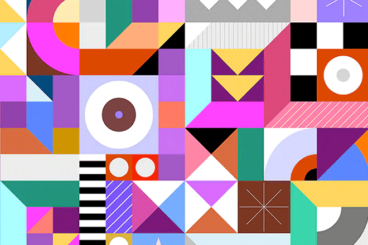
When you don’t know what to use to illustrate a design, the answer might be abstract art.

It’s a growing design trend that – when done well – uses interesting shapes, colors, and combinations to create something that means almost nothing but is visually interesting.

There’s no wonder that designers are using this concept.

For startup websites without photography to designs for companies that aren’t sure how to represent an almost-post-COVID world visually and everything in between, abstract can be a workable choice.

How to Create a Disruptive Design (So It Will Get Seen)

Graphics / 31 May 2021

How to Create a Disruptive Design (So It Will Get Seen)

If you really want to create a design that will make people look, it has to be disruptive.

While “disruptive” can be a bit of a hackneyed catchphrase, it is also at the core of what you do when you create something new. The goal is to get people to stop, look, and interact.

Disruption works because it is different from the norm. This can include anything from being at the forefront of a new trend to designing with an interesting font, color palette, or design pattern.

This description from Layla Acaroglu explains it perfectly: “Design is about creating something that adds to or iterates on the existing, and disruption is about creating a disturbance with the intent of changing a system. When combined, the practice of Disruptive Design is to create intentional interventions into a pre-existing system with the specific objective to leverage a different outcome, and more importantly, an outcome that is likely to create positive social change.”

Now how can you do it? We have a few ideas (and examples) for you.

7 Ways to Use Emotion in Web & Graphic Design Projects

UX Design / 22 Apr 2021

7 Ways to Use Emotion in Web & Graphic Design Projects

The first impression a user has of your design can make or break their experience and determine if they continue interactions. According to WebFX data, 94% of first impressions relate to the design, making the visual and emotional connection you create of utmost importance.

Further, 75 percent of your business, brand, and website credibility comes from the design. And it all connects to the emotional response from a user. The visuals tell them what to think and feel to establish a relationship with you, making it vital to use emotion well in your website and graphic design projects.

Here’s a primer on how to do it successfully.

7 Tips for Establishing a Visual Brand Identity

Graphics / 29 Mar 2021

7 Tips for Establishing a Visual Brand Identity

Whether you are working on a design for a client at a major corporation or posting to your own social media account, a visual brand identity makes it easy for people to see – and know – a company or person at a glance.

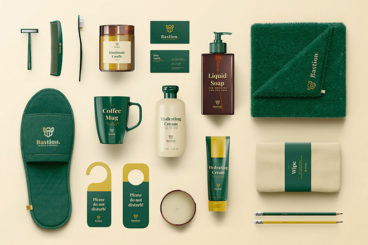
Establishing a visual identity is more than popping a logo on something. It’s a collection of elements – from color to typography to imagery – that establishes who you are visually.

Plenty of companies take the time to set brand identity guidelines, but have you thought about how it all comes together visually? This set of tips can help.

How Do You Turn a Digital Design Into Print? 7 Useful Tips

Graphics / 22 Mar 2021

How Do You Turn a Digital Design Into Print? 7 Useful Tips

It’s probably happened more times than you’d like to think about: You finish a presentation or website design and the client asks you to make it into a brochure or poster.

Wait… what?

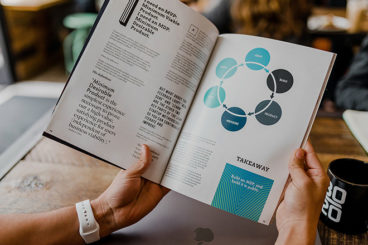
Turning a digital design into something for print can be a challenge for sure. But there are a few things you can do to tweak your workflows to account for this “unexpected request” and make it a little more seamless.

Best Drawing Software for Digital Artists (PC & Mac)

Software / 28 Jan 2021

Best Drawing Software for Digital Artists (PC & Mac)

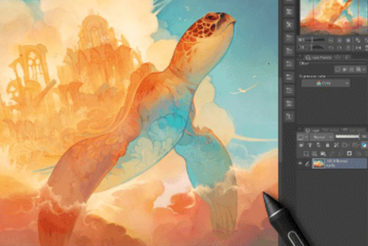
Finding the right drawing app for digital art is a process that involves a lot of trial and error. We want to help narrow that search by giving you this list of the best drawing software for digital artists.

Whether you’re a beginner just getting started or an experienced artist looking for a better drawing software, we have handpicked some of the best software you can use to craft professional art and designs.

When choosing a drawing software you also need to look for specific features like support for drawing tablets, compatibility with different platforms, and affordable pricing. We made sure to check for these features when creating our list. You’ll also find some of the best free drawing software you can use without touching your wallet. Keep reading to learn more.

Fractal Art: A 101 Design Intro

Trends / 21 Jan 2021

Fractal Art: A 101 Design Intro

Art elements rooted in math and algorithms might seem like a futuristic idea, but it’s a growing and popular concept.

Fractal art has been around since the 1980s but it seems to be having a moment with more designers looking to this style for backgrounds and main art elements. Another reason for the growth in popularity? Use of this style as an interior design element for wall hangings and more.

This can be a fun design element to think about and incorporate into projects. Here’s everything you need to know to get started with fractal art.

11 Tips for Creating a Usable Website Contact Page

UX Design / 3 Dec 2020

11 Tips for Creating a Usable Website Contact Page

Peek at the analytics. Chances are that your contact page is among the most visited on our website.

It’s for good reason. Visitors will seek out a contact page to get additional information about your company or business, find your location, or get in touch.

Now the bad news. This is an often-neglected part of the website design. Too many websites don’t take care of the contact page, resulting in missed opportunities and conversions.

You can remedy that right now with these tips for creating a usable contact page.

9 Website Design Tips for Different Generations (Yes, It Matters!)

Web Standards / 19 Oct 2020

9 Website Design Tips for Different Generations (Yes, It Matters!)

It’s a no-brainer for most designers that you plan a project based on a certain target audience. It might be for people who like soda or buy video games or have an affinity for athletic shoes.

But another consideration can often be overlooked – designing for different generational segments. Age can impact how people use websites, apps, and mobile devices. Generational differences can affect your design scheme, accessibility plan, and even the language and colors in the design.

If you haven’t thought about these differences, now is the time to start. With wider website audiences all the time, designing for different generations can help your project be more successful for more people.

Design Trend: Modern Tappable Targets (And How to Do It)

UX Design / 15 Oct 2020

Design Trend: Modern Tappable Targets (And How to Do It)

A solid tap target can make or break your mobile website or app. The size, shape, location, and overall design of the button or link determines whether a user successfully completes an action or not. It might seem like a small thing, but can be one of the most important elements of a design.

Modern tappable targets are easy to recognize, work in an expected manner, and encourage engagement.

Today we’re looking at how to design them, ways to craft effective call-to-action items, and considerations around color and font choices.

Vector vs. Raster: What Do I Use?

Layouts / 26 Aug 2020

Vector vs. Raster: What Do I Use?

With all of the image options and file formats out there, it can be a little overwhelming when you are choosing what file type to use (and send to clients). Compatibility is always a concern when you are working with different file types, but when it comes to graphics and images the type of computer graphic format you use is essential to how the image renders.

There are two types of digital graphics files – vector and raster. Vector images are made of hundreds of thousands of tiny lines and curves (or paths) to create an image. Raster images are composed of pixels. But how do you know what format is best for your next project?