Search Results For: pattern

5 Ways to Boost Contrast in Your Web Design

Graphics / 25 Feb 2016

5 Ways to Boost Contrast in Your Web Design

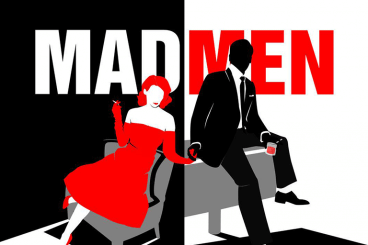
Is your design project lacking that special pop? It’s likely what you are missing is enough contrast. Contrast provides differentiation between elements, making each one look more individual, prominent and special.

Design contrast is created in a number of ways, and using all different types of elements. From typography to color to space, creating contrast can take a design from bleh to wow. Here are five ways to do it.

How to Create a Design That Lives in Space

Graphics / 8 Feb 2016

How to Create a Design That Lives in Space

When you think of space, the first thing that might come to mind as a designer is “white space.” Today though, we are going to look at outer space and how to design elements that live in the outer realms.

The trick to designing “in space,” as we’ll call it, is to avoid common traps and clichés. But an overall dark and starry aesthetic can be a fun way to do something a little bit different with a project. Join us as we take a look at a few examples, and tips for figuring out how this type of design can work well.

Design Trend: How to Create a Cool Split Screen Aesthetic

Layouts / 22 Dec 2015

Design Trend: How to Create a Cool Split Screen Aesthetic

One screen divided in two. This might be one of the bigger design trends emerging right now. More and more websites are using design patterns that include two vertical or square panels placed side by side.

And it’s a nice aesthetic. The look is user friendly, can be adapted for a variety of needs, and helps guide navigation. It’s a trend that we are likely to see more of – and design – in the coming months. Today we are looking at a few great examples of split screen design with mini case studies and finding out how you can make the most of this design trend.

Grid-First Design: How to Create Vertical Rhythm and Harmony

Layouts / 8 Dec 2015

Grid-First Design: How to Create Vertical Rhythm and Harmony

When you hear grid, what’s the first thing that comes to mind? For most designers, it is often a horizontal based concept with columns across the canvas. This is especially true when thinking about web and digital design projects.

But what about vertical grids? It is just as important to create flow up and down the page as well. And there are a number of ways to do this with grid systems.

Web Design Debate: Do I Really Need to Use Sans Serif Fonts?

Typography / 26 Oct 2015

Web Design Debate: Do I Really Need to Use Sans Serif Fonts?

There’s long been a theory that serif typefaces are for printed projects and sans serifs are for website design. But with more high definition screens and great type options available, that rule just isn’t so much a rule anymore.

Whether you prefer serifs or sans serifs (or a combination of the two), the main objectives when choosing typefaces for digital design projects should be readability and legibility. Simple, you need to pick fonts that are sharp and easy to read on the screen. Part of this is related to usage, such as size and placement of text, and then to the style of typeface you choose.

Use Abstract Geometry to Create Stunning Designs

Inspiration / 24 Sep 2015

Use Abstract Geometry to Create Stunning Designs

If you’ve ever found yourself in a design rut, wondering how to come up with some fresh ideas, then you’ve no doubt experienced how refreshing it can be to experiment with a new design style that’s completely outside of what you typically produce.

Today we’re going to do exactly that. I’ve been fascinated with a particular style lately and just itching to give it a test drive. We’ll start by analyzing this style’s characteristics through the work of others and then proceed to building something on our own using what we learn. Read on to see the step by step process.

Are You a Right-Brained or Left-Brained Designer?

Business / 17 Sep 2015

Are You a Right-Brained or Left-Brained Designer?

Colors, pictures, creativity; designers are quite obviously a group of people that tend to gravitate towards using the right sides of their brains… right? Or is this simply a stereotype that doesn’t necessarily ring true?

Is design exclusively artistic talent put to productive use or is it possible that the industry is equally full of analytical problem solvers? Let’s take a look at how designers think, whether you’re a right brainer or a left brainer, and how I’ve struggled through being a left brainer in an industry of right brainers.

Monochromatic Color: How to Use It Effectively

Inspiration / 19 Aug 2015

Monochromatic Color: How to Use It Effectively

While the thought of completing a design project with only one color might be intimidating, it can actually result in a pretty awesome aesthetic. Monochromatic color options are also a hot concept and can work for a lot of project types.

Monochromatic color is rooted in color theory and takes more than just picking a color and designing everything with it. You’ll want to consider the meaning and associations of the color you choose and how to make that hue work with other components in the page. Here, we’ll explore ways to help you better understand and effectively use monochromatic color in any of your design projects.

Blurred Images in Web Design: How to Make Them Work

Graphics / 10 Aug 2015

Blurred Images in Web Design: How to Make Them Work

It’s an undeniable fact: using blurred images is a trending web design technique in 2015. It seems like everywhere you look there’s some element of blur.

But this is not a solution to some of your photo problems. It’s a distinct technique that takes practice to perfect and attention to detail to get it right. So before you jump on the trend, think about the options for using blurred images to decide if it is right for you and how you can make the best use of this technique in your projects.

Kinetic Typography: An Introductory Guide

Typography / 5 Aug 2015

Kinetic Typography: An Introductory Guide

Kinetic typography seems to be everywhere these days. From television commercials to website landing pages, movable type is a popular visual tool. This popularity could come from a number of reasons but one obvious factor is that it catches your attention. People tend to be drawn to words and want to read them.

Kinetic typography puts this together with some simple animations to create words that move on the screen, grabbing your attention and engaging the senses. So let’s take a look at kinetic typography and how you can integrate it into some of your design projects. (Note: The examples in this article include animation; click the images for links to the original sources to see them in action.)

Modular Design: The Complete Primer for Beginners

Layouts / 27 Jul 2015

Modular Design: The Complete Primer for Beginners

There are a lot of block and card style designs out there right now. For designers, they are both trendy and functional. The look is streamlined and simple and in terms of website design, works great in responsive frameworks.

The root of this design trend is modular design. And regardless of what you think, it’s not new. Modular design is rooted deep in design theory and has been used by a number of designers for a long time. Today we’re delving into the background, and practical applications, of modular design!

How to Create a Twitter Header Photo: Examples and Best Practices

Graphics / 15 Jul 2015

How to Create a Twitter Header Photo: Examples and Best Practices

With more than 302 million monthly users and 500 million tweets per day, chances are you are using Twitter to promote yourself, brand or business. (And if you aren’t using the 140-character platform, what are you waiting for?)

Twitter customization is a big part of your social media strategy. As a designer, creating a great header photo is an important part of the puzzle. Here we’ll take a look at ways to create a header photo and overall profile that stand out among the millions of other Twitter personalities out there and showcase a few pages for design inspiration.