Search Results For: style

10 Tips for Designing Static Ads

Graphics / 21 Jan 2015

10 Tips for Designing Static Ads

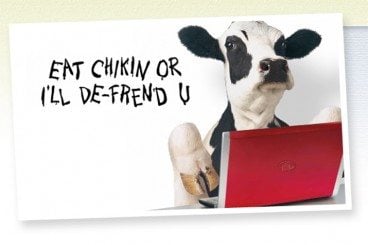
Designing the perfect static ad is no easy feat. It might even be impossible. Designing ads can go against many of the things you think as a designer. Many companies want to cram as much information into a space as possible and many users put up roadblocks when it comes to viewing ads.

The catch is creating something that people want to interact with, despite the fact that it’s an ad. The advantage of a static ad is that is seems less obtrusive than some animated, audio or video options. They also have a classic style about them that makes designing fun. Here are 10 tips for creating an ad that people will look at, with some ads as they actually appear on popular websites.
Designing for the Interstitial Experience

UX Design / 5 Jan 2015

Designing for the Interstitial Experience

Yes. Those little pop-ups matter, and are starting to matter more every day. Interstitial space – and content for it – is becoming an increasingly popular part of designing for the web. From ads, to forms, to bits of information, the interstitial experience is a vital part of the design process.

The dilemma for designers is to create something that users want to look at and not feel annoyed by. Here we’ll work to gain a better understanding of interstitial space and how you can work within it well.

7 Tips for Designing a Better Checkout Page

Graphics / 26 Nov 2014

7 Tips for Designing a Better Checkout Page

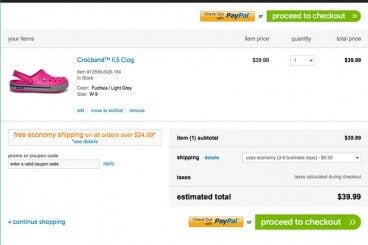
With the holiday season right around the corner, many of us will be doing some shopping online. (OK… maybe a lot of shopping!) The checkout page of a website can make that experience one to remember, or one you wish you could forget.

If you are designing a checkout page, there are so many considerations – functionality, usability, security and design. The last element is something every designer can have impact on. A checkout page should not be designed as an afterthought; it is arguably the most important page in the online shopping experience.

Website Design for Kids: Tips and Advice

Graphics / 24 Nov 2014

Website Design for Kids: Tips and Advice

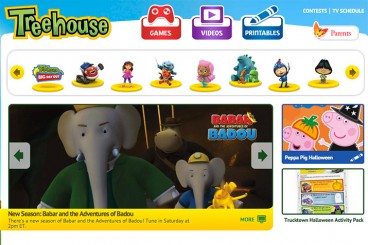
Designing a project for children is a rather common assignment. From websites to packaging to other images, creating something that is kid-friendly will likely be asked of most designers at some point. But how can you make something kids and adults will appreciate?

That’s the real trick. Kids and adults have to feel engaged by what they are seeing. There are some things that you can do in the design process. Consider elements such as color, typography, gamification, language, animation, storyline and age group for the best success. Today we’re offering some advice and insight into this very topic!

What Makes a Great 404 Error Page?

Inspiration / 17 Nov 2014

What Makes a Great 404 Error Page?

No one wants to think website visitors are spending time on error pages, but it happens. The 404 error page is one place that these interactions happen rather frequently. Design it in a way that speaks to users rather than encouraging them to leave your site.

More memorable and less frustrating 404 error pages are the most successful. They can also be the most fun to design. So what can you do to create the best 404 page for your site? Here are a few tips, tricks and gallery of great examples.

Do You Have a Design Checklist?

Business / 29 Oct 2014

Do You Have a Design Checklist?

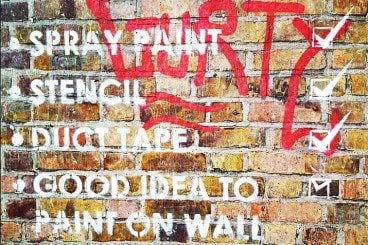
While every project is unique, every project also has a set of things and processes that are always part of your workflow. That’s where having a good design checklist comes in. This guide can help you manage projects and workflow, delegate tasks among team members and ensure that everything is complete before a design project is handed over. A good design checklist can help keep you from going astray during a project.

You may need several types of checklists in your toolkit: project design (print or digital), planning, execution, and printing and delivery. These lists can have overlap or not and can serve as starting points for you to create a checklist tailored to your design work.

Getting Started With Letterpress Printing

Inspiration / 29 Sep 2014

Getting Started With Letterpress Printing

Have you ever picked up a printed work and taken a minute to admire the feel of it? You hold the paper and get a feel for the thickness and texture while noting the impressions of each letter? That is the beauty of letterpress. This style of printing presses the image into the paper in a technique that has a special feel and quality to it.

While letterpress looks and feels sophisticated, it is something that is an option for most designers working on print projects. You just need to find a printer in your area (or invest in letterpress machinery yourself) and understand the intricacies of preparing a design for this printing method.

Freelancing 101: How to Collaborate When You Work Alone

Freelancing / 9 Sep 2014

Freelancing 101: How to Collaborate When You Work Alone

One of the biggest misconceptions of working as a freelancer is that it means working alone. It’s actually very much quite the opposite. How would you ever expect to do business if you don’t work with anyone?

The reality is the more people you work with, the more successful you are likely to be as a freelancer. And just like when working for a firm or agency, freelance designers should make a point to collaborate with others regularly. Here are 10 ways you can put your head together with other designers (or clients) to better get the job done.

Layouts / 20 Aug 2014

How to Create Patterns in Design Projects

Think of how many patterns you follow in your daily routine. From waking up and getting ready for work to falling asleep each night, the day is filled with these small repeating elements that create order and calm. Patterns in design do the very same thing: These repeating elements can bring order to a project and create a sense of calm (or chaos) to set a tone.

That’s the true appeal of a pattern. It helps direct users through an aesthetic by following the pattern or series of objects and tells users how to interact with something. Designers can create patterns in a number of ways – with backgrounds, objects, color, words, panels or by using a combination of these elements.

How to Tell a Story With Design

Inspiration / 30 Jul 2014

How to Tell a Story With Design

Design is a method of expression. It communicates a visual message to those who see it. It also communicates a story, whether implied or clearly stated.

As a designer, it is your job to make sure that story is clear. The design story should fall in line with the story of the company, brand, website, game, bottled drink or whatever you are working with. Telling a story is important to create a lasting impression and make your “thing” more memorable than all the others out there.

How to Create an Emotional Connection With Design

Graphics / 9 Jul 2014

How to Create an Emotional Connection With Design

Every project you complete connects with users in some way. The design communicates a message and a tone. The emotional tone is what we are going to take a deeper look at and try to better understand.

Emotional connections fall into four basic category pairs – joy and sadness, trust and disgust, fear and anger, and surprise and anticipation. Understanding this range of emotion and how it relates to a visual message is important so that your design projects are received as they are intended. As you read through this post, take a look at the featured websites and think about how each one makes you feel and what parts of the visual aesthetic contributes to that emotion.

Using Lines and Curves in Design Projects

Graphics / 7 Jul 2014

Using Lines and Curves in Design Projects

Some of the most subtle parts of a design can be the most important. Think about some of the details in design projects such as lines and curves. These simple shapes can be used in the foreground, background lettering or as a dominant art element.

Not every line is created the same. From thickness to orientation to amount of curvature, these simple shapes can have quite a bit of meaning. So before you draw that first line, here’s a primer and tips for using lines and curves in design projects.