Business - Page 9

Learn how to run your design business, work with clients, manage expectations, and handle your finances.

How to Hold a Meeting That Gets Everyone Excited About Design

Business / 16 Oct 2015

How to Hold a Meeting That Gets Everyone Excited About Design

The dreaded project kickoff meeting. It’s on your calendar. You can’t avoid it. But you can make it a more memorable event that helps generate creativity among the members of your team.

The start of every project should be marked with excitement and anticipation. It’s the time when you and your team get to learn about a new client or idea and really get to go back to the basics of brainstorming and idea generation. It can, and should, be one of the most important parts of a design project and it needs to be anything but boring.

Reinventing Your Brand: 5 Ways to Get Started

Business / 7 Oct 2015

Reinventing Your Brand: 5 Ways to Get Started

Lately you have decided that your brand – and look – has gotten rather stale. It happens. But you are already on the right path by knowing you need a brand refresh. Brands, small and large, are rebranding all the time. (You can peek at some of those changes on the Brand New blog.)

While this can be a daunting task, it can be easier than you think with a little planning and forethought. Today, we’ll look at five ways you can start down the path to a fresher, more visual brand identity. (And with these tips you can do it on almost any budget!)

Are You a Right-Brained or Left-Brained Designer?

Business / 17 Sep 2015

Are You a Right-Brained or Left-Brained Designer?

Colors, pictures, creativity; designers are quite obviously a group of people that tend to gravitate towards using the right sides of their brains… right? Or is this simply a stereotype that doesn’t necessarily ring true?

Is design exclusively artistic talent put to productive use or is it possible that the industry is equally full of analytical problem solvers? Let’s take a look at how designers think, whether you’re a right brainer or a left brainer, and how I’ve struggled through being a left brainer in an industry of right brainers.

10 Ways Designers Solve Problems

Business / 27 Aug 2015

10 Ways Designers Solve Problems

Designers, by nature, are problem-solvers. Every project is a problem or challenge that involves helping other people understand something. Designers have to see through all the fog and clutter to create a solution.

This creative type of problem solving comes naturally in part, but some of the actions are learned. Have you ever stopped to think about how you work to solve problems? Here we will examine 10 ways that designers do just that with a collection of abstract images to inspire some of that problem-solving thinking.

Designing Your Resume: Create the Perfect First Impression

CV & Resume Templates / 17 Aug 2015

Designing Your Resume: Create the Perfect First Impression

Resume design is as much about content design as aesthetics. It’s great to have a resume that stands out and makes a potential employer say “wow,” but that wow factor has to keep flowing as they read through the contents of your work history.

It’s a delicate balance between design and content. Treat developing your resume as you would any other design project. Start with the content first. Develop all the things that need to be on your resume and then let that drive the look of the words on the page. (And we all know resume design can be a challenge because there is so much text.)

Code Free Web Design With Webydo

Business / 11 May 2015

Code Free Web Design With Webydo

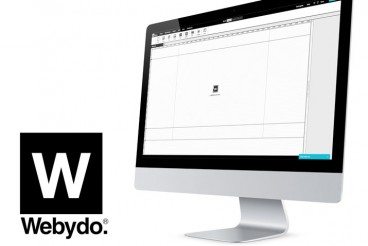
Web design can sometimes be frustrating for those who are not fluent in HTML or JavaScript or other programming languages. This is especially true of responsive web design. Webydo is here to help.

The website building platform offers designers (and pretty much everyone) the opportunity to create a responsive website with a great design without knowing the first line of code. Without any technical knowledge, just about anyone can publish a website backed by a full content management system.

Do You Have a Design Checklist?

Business / 29 Oct 2014

Do You Have a Design Checklist?

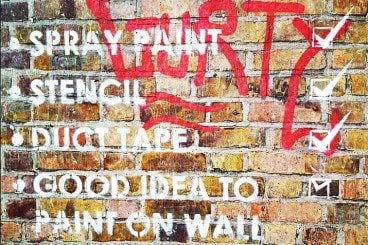
While every project is unique, every project also has a set of things and processes that are always part of your workflow. That’s where having a good design checklist comes in. This guide can help you manage projects and workflow, delegate tasks among team members and ensure that everything is complete before a design project is handed over. A good design checklist can help keep you from going astray during a project.

You may need several types of checklists in your toolkit: project design (print or digital), planning, execution, and printing and delivery. These lists can have overlap or not and can serve as starting points for you to create a checklist tailored to your design work.

Why Every Designer Needs a Code of Ethics

Business / 5 Aug 2014

Why Every Designer Needs a Code of Ethics

Many professions have codes of ethics, a common set of guiding principles that help you make fair decisions. Codes often protect both the worker and client from poor business practices.

Designers working in a team or individual environment should be working with a code of ethics. Many designers might even follow multiple codes – one set by an employer, one set by professional organizations and one that is a more personal set of rules and guidelines. One thing is certain: Every designer needs a code of ethics.

Good Writing and Editing Is Part of Great Design

Business / 26 Mar 2014

Good Writing and Editing Is Part of Great Design

Good writing is arguably the most important piece of a design project. Yes, writing. It happens before the first sketch. And then it continues to happen throughout the design process as text is written, rewritten and edited multiple times.

A stellar design will only get you so far if the content is lacking. Clunky, mistake-laden, or even just plain boring copy will almost certainly ruin any project. Great copy will help a design shine. Here, we are going to look at what good writing and editing can do for your design projects. (Make sure to note the visual examples as well, and how the text and design work together seamlessly.)

Math for Designers: It’s a Numbers Game

Business / 17 Mar 2014

Math for Designers: It’s a Numbers Game

Most of the time you don’t think about math and design at the same time. Maybe you think these concepts are as far removed from one another as possible. But math can be an important skill for every designer.

From working on projects – there are plenty of design theories based in math – to calculating rates and payment for a client project, crunching numbers can be an important item in every designer’s toolbox. Today, we are going to look at some of the time-tested formulas that can be found in great design and ways that every designer can use math. So you might just want to grab a calculator!

The Simple Guide to Creative Commons Resources

Business / 10 Mar 2014

The Simple Guide to Creative Commons Resources

Creative Commons is a tool that allows designers, writers, videographers and web developers to use content free of charge. From text to photos to video to sound, there are a variety of different types of available content that can be used when attributed appropriately.

But where can you find this content? Who can use it? And what really is acceptable to use? Today, we have a guide to creative commons works, proper use and attribution and tolls for helping you find great (and usable) content. (As an added bonus, all of the visuals used in this article were available under a Creative Commons license.)

Understanding Design Copyrights and Trademarks

Business / 27 Jan 2014

Understanding Design Copyrights and Trademarks

Not that long ago we entertained a discussion about design plagiarism here on Design Shack, but what does it mean if your work is stolen? How do you even know if your work is protected? And moreover, what can you do about it?

That’s where the protection of copyrights and trademarks come in. But what are they? And how do they apply to your designed work? Let’s take a look.