Search Results For: develop

How to Balance Text and Visual Content in Design

Layouts / 22 Dec 2014

How to Balance Text and Visual Content in Design

We’ve all heard the phrase “sex sells” but when it comes to design, what does the selling? Text or images? The reality is that both are essential parts of almost every design project. What makes the difference between a project that works and one that falls short is striking the right balance between the two.

While visuals are often processed faster, text can provide greater understanding. Creating balance between text and visual content is a combination of understanding your project and the best method of delivery for content, audience expectation, weighting of elements and delivery.
7 Tips for Designing a Better Checkout Page

Graphics / 26 Nov 2014

7 Tips for Designing a Better Checkout Page

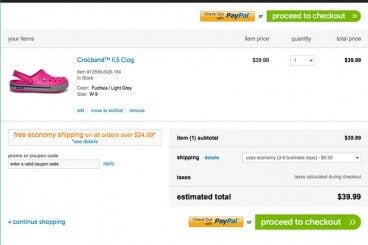
With the holiday season right around the corner, many of us will be doing some shopping online. (OK… maybe a lot of shopping!) The checkout page of a website can make that experience one to remember, or one you wish you could forget.

If you are designing a checkout page, there are so many considerations – functionality, usability, security and design. The last element is something every designer can have impact on. A checkout page should not be designed as an afterthought; it is arguably the most important page in the online shopping experience.

Website Design for Kids: Tips and Advice

Graphics / 24 Nov 2014

Website Design for Kids: Tips and Advice

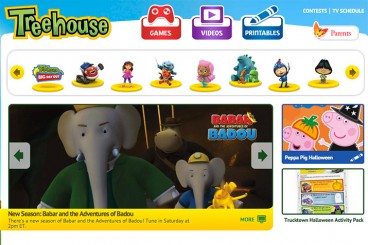
Designing a project for children is a rather common assignment. From websites to packaging to other images, creating something that is kid-friendly will likely be asked of most designers at some point. But how can you make something kids and adults will appreciate?

That’s the real trick. Kids and adults have to feel engaged by what they are seeing. There are some things that you can do in the design process. Consider elements such as color, typography, gamification, language, animation, storyline and age group for the best success. Today we’re offering some advice and insight into this very topic!

Do You Have a Design Checklist?

Business / 29 Oct 2014

Do You Have a Design Checklist?

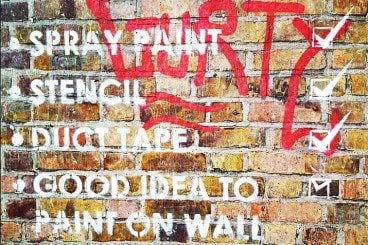
While every project is unique, every project also has a set of things and processes that are always part of your workflow. That’s where having a good design checklist comes in. This guide can help you manage projects and workflow, delegate tasks among team members and ensure that everything is complete before a design project is handed over. A good design checklist can help keep you from going astray during a project.

You may need several types of checklists in your toolkit: project design (print or digital), planning, execution, and printing and delivery. These lists can have overlap or not and can serve as starting points for you to create a checklist tailored to your design work.

Getting Started With Letterpress Printing

Inspiration / 29 Sep 2014

Getting Started With Letterpress Printing

Have you ever picked up a printed work and taken a minute to admire the feel of it? You hold the paper and get a feel for the thickness and texture while noting the impressions of each letter? That is the beauty of letterpress. This style of printing presses the image into the paper in a technique that has a special feel and quality to it.

While letterpress looks and feels sophisticated, it is something that is an option for most designers working on print projects. You just need to find a printer in your area (or invest in letterpress machinery yourself) and understand the intricacies of preparing a design for this printing method.

Freelancing 101: How to Collaborate When You Work Alone

Freelancing / 9 Sep 2014

Freelancing 101: How to Collaborate When You Work Alone

One of the biggest misconceptions of working as a freelancer is that it means working alone. It’s actually very much quite the opposite. How would you ever expect to do business if you don’t work with anyone?

The reality is the more people you work with, the more successful you are likely to be as a freelancer. And just like when working for a firm or agency, freelance designers should make a point to collaborate with others regularly. Here are 10 ways you can put your head together with other designers (or clients) to better get the job done.

Why Every Designer Needs a Code of Ethics

Business / 5 Aug 2014

Why Every Designer Needs a Code of Ethics

Many professions have codes of ethics, a common set of guiding principles that help you make fair decisions. Codes often protect both the worker and client from poor business practices.

Designers working in a team or individual environment should be working with a code of ethics. Many designers might even follow multiple codes – one set by an employer, one set by professional organizations and one that is a more personal set of rules and guidelines. One thing is certain: Every designer needs a code of ethics.

How to Create an Emotional Connection With Design

Graphics / 9 Jul 2014

How to Create an Emotional Connection With Design

Every project you complete connects with users in some way. The design communicates a message and a tone. The emotional tone is what we are going to take a deeper look at and try to better understand.

Emotional connections fall into four basic category pairs – joy and sadness, trust and disgust, fear and anger, and surprise and anticipation. Understanding this range of emotion and how it relates to a visual message is important so that your design projects are received as they are intended. As you read through this post, take a look at the featured websites and think about how each one makes you feel and what parts of the visual aesthetic contributes to that emotion.

Design for Everyone: Considering Accessibility in Visual Projects

Accessibility / 19 Jun 2014

Design for Everyone: Considering Accessibility in Visual Projects

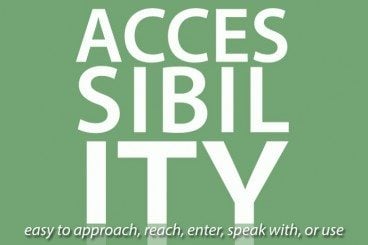
Because design is such a visual concept, we don’t always stop to think about how design can impact users with certain disabilities. From vision to hearing or even touch impairments, how you design a website, brochure or even package can look or work a different way to different people.

And while you can’t design so that every element is perfect in every condition for every user, there are some things you can do and think about to make your design projects more accessible to a larger number of people. Simple techniques such as color choice, texture, shading and sound effects can make a difference to users.

How to Use Cool Color in Design Projects

Inspiration / 10 Jun 2014

How to Use Cool Color in Design Projects

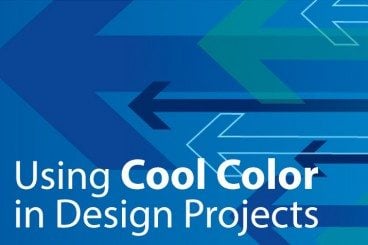
Cool and warm colors. These descriptions are commonly used to describe hue choices in a variety of conversations – fashion, beauty, decorating and design. But while we commonly talk about warm and cool, do you really know what these terms mean and how to use the colors?

Today, we will look at using cool color in design projects and create a few color palettes with cool hues. (Also make sure to check out the recent Design Shack article featuring warm colors.)

Todoist: A Simple and Powerful Tool for Designers

Software / 31 Mar 2014

Todoist: A Simple and Powerful Tool for Designers

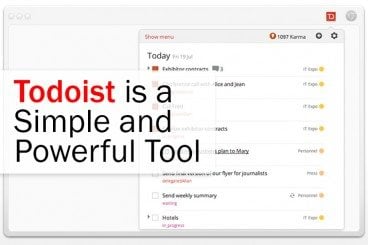
There are so many apps and productivity tools out there, making it hard to find things that fit your needs the best. Some tools are packed with too many gimmicks, which can make it hard to be productive. Others are difficult to use or understand.

Enter Todoist. This tool is simple and powerful. After only five minutes, I was beginning to feel like a super-user. And what’s even better is that it is designed well. Not only does this tool work beautifully, it looks great at the same time. Here’s a look at Todoist, how it works and how you can use it in your workflow.

Math for Designers: It’s a Numbers Game

Business / 17 Mar 2014

Math for Designers: It’s a Numbers Game

Most of the time you don’t think about math and design at the same time. Maybe you think these concepts are as far removed from one another as possible. But math can be an important skill for every designer.

From working on projects – there are plenty of design theories based in math – to calculating rates and payment for a client project, crunching numbers can be an important item in every designer’s toolbox. Today, we are going to look at some of the time-tested formulas that can be found in great design and ways that every designer can use math. So you might just want to grab a calculator!