Search Results For: tone

How to Design the Perfect Award or Certificate

Inspiration / 28 Apr 2015

How to Design the Perfect Award or Certificate

Do you ever catch one of those oddball assignments in your design career? Creating a great award or certificate design is one of them. The piece seems like a small task, but has a long shelf life, and is of high value to the recipient, making it important to design well.

But how do you even design a good award? Where do you start? Here’s a primer that takes a look at a few of the most important things to consider with award and certificate design.
7 Tips for Choosing the Best Web Font for Your Design

Typography / 30 Mar 2015

7 Tips for Choosing the Best Web Font for Your Design

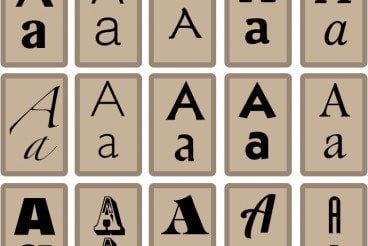
There’s no way to quantify all of the font options available for website designers. Almost every day a new typeface shows up in my inbox or Twitter feed. But not every one one of these typefaces – no matter how beautiful – is right for designing a website.

When it comes to selecting the perfect font, you have think about a variety of things including compatibility, load time and design purpose. Today, we have seven tips to help you select and use the best web font for your design project.

10 Tips for Delicious Menu Design

Inspiration / 25 Mar 2015

10 Tips for Delicious Menu Design

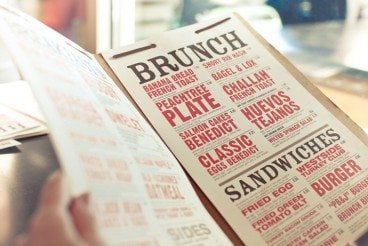
Have your ever thought about the way food items were presented to you on a menu? Can something as simple as a menu design determine what and where you will eat? Creating a design for a restaurant menu – paper copies for the table and online versions – is a vital part of the food industry because the way things look can impact sales.

The topic got recent attention thanks to Brian Wansink, who wrote “Slim By Design” and a recent paper for the International Journal of Hospitality Management, asserts menu design can impact exactly what someone orders. And it is all based on simple elements that we use every day from bold lettering to images to creating hierarchy on the canvas. Here are 10 ways you can use some of that information and other techniques to create an absolutely delicious menu design.

Designing Without Images: Making Typography Work for You

Inspiration / 16 Mar 2015

Designing Without Images: Making Typography Work for You

You don’t need a great image for every design project. In fact, you can create a great design with no images at all. It’s a trend that is gaining a lot of momentum as typography-focused projects can be used to stand out against a crowded sea of hero images, video and animations.

All you have to do is think like a typographer. Designing without images takes focus, vision and a clear understanding of design and typography principles to create a piece of art that is totally comprised of text.

How Color, Type and Space Can Impact Mood

Graphics / 12 Feb 2015

How Color, Type and Space Can Impact Mood

Do you ever think about mood when you are designing? Mood has impact in two ways – the mood of the project itself and the mood of users. Together they create an experience that connects each user to the project.

While you can’t always account for the mood of users, or their good and bad days, you can create an aesthetic that emphasizes the right mood for your project. Three basic design techniques – color, typography and space – are key components for establishing the mood of a project.

Designing for the Interstitial Experience

UX Design / 5 Jan 2015

Designing for the Interstitial Experience

Yes. Those little pop-ups matter, and are starting to matter more every day. Interstitial space – and content for it – is becoming an increasingly popular part of designing for the web. From ads, to forms, to bits of information, the interstitial experience is a vital part of the design process.

The dilemma for designers is to create something that users want to look at and not feel annoyed by. Here we’ll work to gain a better understanding of interstitial space and how you can work within it well.

Website Design for Kids: Tips and Advice

Graphics / 24 Nov 2014

Website Design for Kids: Tips and Advice

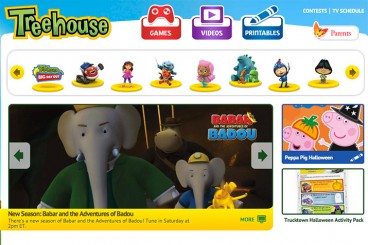
Designing a project for children is a rather common assignment. From websites to packaging to other images, creating something that is kid-friendly will likely be asked of most designers at some point. But how can you make something kids and adults will appreciate?

That’s the real trick. Kids and adults have to feel engaged by what they are seeing. There are some things that you can do in the design process. Consider elements such as color, typography, gamification, language, animation, storyline and age group for the best success. Today we’re offering some advice and insight into this very topic!

What Makes a Great 404 Error Page?

Inspiration / 17 Nov 2014

What Makes a Great 404 Error Page?

No one wants to think website visitors are spending time on error pages, but it happens. The 404 error page is one place that these interactions happen rather frequently. Design it in a way that speaks to users rather than encouraging them to leave your site.

More memorable and less frustrating 404 error pages are the most successful. They can also be the most fun to design. So what can you do to create the best 404 page for your site? Here are a few tips, tricks and gallery of great examples.

Layouts / 20 Aug 2014

How to Create Patterns in Design Projects

Think of how many patterns you follow in your daily routine. From waking up and getting ready for work to falling asleep each night, the day is filled with these small repeating elements that create order and calm. Patterns in design do the very same thing: These repeating elements can bring order to a project and create a sense of calm (or chaos) to set a tone.

That’s the true appeal of a pattern. It helps direct users through an aesthetic by following the pattern or series of objects and tells users how to interact with something. Designers can create patterns in a number of ways – with backgrounds, objects, color, words, panels or by using a combination of these elements.

Why Every Designer Needs a Code of Ethics

Business / 5 Aug 2014

Why Every Designer Needs a Code of Ethics

Many professions have codes of ethics, a common set of guiding principles that help you make fair decisions. Codes often protect both the worker and client from poor business practices.

Designers working in a team or individual environment should be working with a code of ethics. Many designers might even follow multiple codes – one set by an employer, one set by professional organizations and one that is a more personal set of rules and guidelines. One thing is certain: Every designer needs a code of ethics.

How to Tell a Story With Design

Inspiration / 30 Jul 2014

How to Tell a Story With Design

Design is a method of expression. It communicates a visual message to those who see it. It also communicates a story, whether implied or clearly stated.

As a designer, it is your job to make sure that story is clear. The design story should fall in line with the story of the company, brand, website, game, bottled drink or whatever you are working with. Telling a story is important to create a lasting impression and make your “thing” more memorable than all the others out there.

How to Create an Emotional Connection With Design

Graphics / 9 Jul 2014

How to Create an Emotional Connection With Design

Every project you complete connects with users in some way. The design communicates a message and a tone. The emotional tone is what we are going to take a deeper look at and try to better understand.

Emotional connections fall into four basic category pairs – joy and sadness, trust and disgust, fear and anger, and surprise and anticipation. Understanding this range of emotion and how it relates to a visual message is important so that your design projects are received as they are intended. As you read through this post, take a look at the featured websites and think about how each one makes you feel and what parts of the visual aesthetic contributes to that emotion.