Search Results For: tone

How to Use Cool Color in Design Projects

Inspiration / 10 Jun 2014

How to Use Cool Color in Design Projects

Cool and warm colors. These descriptions are commonly used to describe hue choices in a variety of conversations – fashion, beauty, decorating and design. But while we commonly talk about warm and cool, do you really know what these terms mean and how to use the colors?

Today, we will look at using cool color in design projects and create a few color palettes with cool hues. (Also make sure to check out the recent Design Shack article featuring warm colors.)
Good Writing and Editing Is Part of Great Design

Business / 26 Mar 2014

Good Writing and Editing Is Part of Great Design

Good writing is arguably the most important piece of a design project. Yes, writing. It happens before the first sketch. And then it continues to happen throughout the design process as text is written, rewritten and edited multiple times.

A stellar design will only get you so far if the content is lacking. Clunky, mistake-laden, or even just plain boring copy will almost certainly ruin any project. Great copy will help a design shine. Here, we are going to look at what good writing and editing can do for your design projects. (Make sure to note the visual examples as well, and how the text and design work together seamlessly.)

Creating Visual Hierarchy With Typography

Typography / 3 Mar 2014

Creating Visual Hierarchy With Typography

Visual hierarchy is an important element in any design project. It tells people where to look and what things on the screen or printed page are most important. Hierarchy gives readers a sense of how to actually read material from start to finish with visual cues and flow.

While you can create visual hierarchy using a number of different tools, today we are going to look at ways to create structure with just typography. (And take a look at the images used throughout this post; they are all examples of great type hierarchy in action.)

Making Vintage Design Work for You

Inspiration / 19 Feb 2014

Making Vintage Design Work for You

Vintage textures and palettes are in. They are popping up in a variety of uses from large-scale design projects to small details in a logo or background texture. This dated-style technique has really made a comeback.

Today, we will look at how you can create and establish a great palette for a vintage-style design from color to type to texture choices.

Do You Need a Style Guide?

Business / 2 Sep 2013

Do You Need a Style Guide?

It’s a simple question: Do you need a style guide? And it has a simple answer: Yes. Any brand, company, blog or webpage that wants to create and maintain consistency and a professional feel should have a style guide.

Style guides are a must for any publisher with multiple employees. This is especially important if more than one person will work on any brand elements (from the website to printed materials), and to ensure that transitions between employees are seamless in the eyes of users. Today, we take a look at well-documented style guide from MailChimp, and highlight things you can take away in creating your own document for the first time.

10 Printing Terms You Need to Know

Business / 7 Aug 2013

10 Printing Terms You Need to Know

More and more designers these days are working in a variety of mediums — both digital and print. But it can take a different set of specifications to put together a successful project for each. Print design has its own jargon.

Understanding how printing works (and how to speak the language of printers) is important for any designer. Don’t think this applies to you because most of your business is web-based? Consider this: At some point a client will ask for print components to go with the website, whether they are business cards or posters or just a great handout for presentations. Knowing the printing basics and terminology will help you bridge the gap. Here are ten key terms you need to know.

Current Color Trends: Muted Pastels

Graphics / 30 Jul 2013

Current Color Trends: Muted Pastels

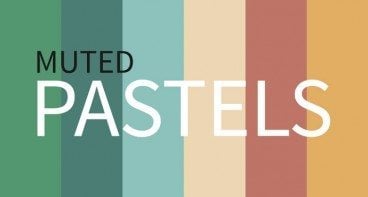
Of late, you may have noticed a crop of new site designs have a softer and lighter look. After all the rainbow brights and even neon or fluorescent hues that have been so popular of late, it seems that some designers are taking a more subtle approach by using lighter or muted colors.

Although the same basic treatments are still being utilized — like colorized photography or color blocking — the new hues are making for a more refined and understated variation on these themes. Today we’re going to delve into this trend a little more, and explore various design examples and approaches.

Understanding Color: Dominant vs. Recessive Colors

Graphics / 11 Jul 2013

Understanding Color: Dominant vs. Recessive Colors

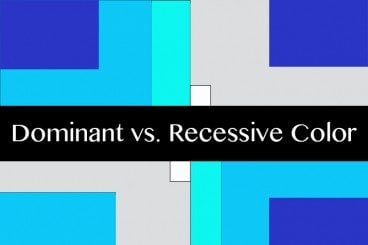
Ever wonder why your colors don’t look quite right in some situations? It could be a simple as the color choice. Certain colors tend to take on the characteristics of other hues, while others always look pure. In addition, the human eye perceives color in different ways based on whether it is in the foreground or background.

This phenomenon can be explained through dominant and recessive colors. Join us as we take a closer look at these two terms today, and delve into deeper understanding of how they can guide your design choices and decisions.

Pinterest for Designers: Using It to Your Advantage

Inspiration / 22 May 2013

Pinterest for Designers: Using It to Your Advantage

Design inspiration is all around us. And every day there are new tools popping up to help us collect and share that inspiration. One of those great tools is Pinterest. The image collection platform is a fantastic source of design inspiration, from typography to print, web or packaging design.

Newer additions to the service, such as boards for business and hidden boards make the tool even more useful. Haven’t gotten on board with Pinterest yet? Not sure how to make it work for you? Read on.

How to Build a Brand Bible & Visual Style Guide

Graphics / 13 May 2013

How to Build a Brand Bible & Visual Style Guide

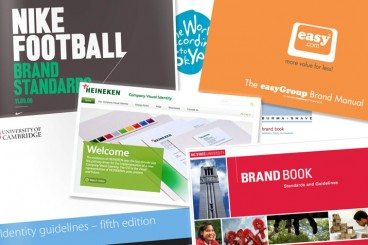
Every brand, from the smallest website or startup, to corporate giants such as Nike or McDonald’s, need a set of branding guidelines and rules to maintain their identity. This document, which can range from a couple of pages, to several hundred, is the thread that holds together what the public sees from a company.

A brand bible establishes the voice and personality of a company, as well as who the public will see, and it governs every aspect of communication from the company. The brand bible is the basis for all interactions on behalf of a company – personal communications, social media, advertising and design. While a brand bible focuses on many things, we are really going to look at how it affects design.

Should You Be Designing With QR Codes?

Business / 3 May 2013

Should You Be Designing With QR Codes?

QR codes are all the rage… aren’t they? Their presence certainly seems to have increased in recent years, indicating an impressive adoption rate among marketers. But does that mean that you should be using them? If a client asks you whether or not using QR codes is a good idea, what will you say?

Join us as we take an honest and critical look at both sides of the QR debate so you can decide for yourself whether or not you should be designing with QR codes.

Simple Tips for Designing a Newsletter Template That Stands Out

Business / 29 Apr 2013

Simple Tips for Designing a Newsletter Template That Stands Out

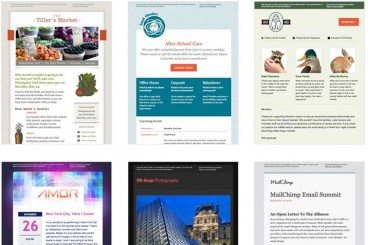
Almost every business has an email newsletter these days. From retailers promoting sales, to organizations showcasing information and events, the email newsletter is one of the most popular marketing tools out there. And for it to really be effective, it must look good.

An almost unlimited number of free email templates can make it easy to just download something and send out an email, but you should really take the time to create a custom template for communications that represents your business and who you are. Your newsletter represents your work just as much as a website or printed product. Although getting started can be intimidating, it’s fairly easy to create a newsletter template, choose software for distribution and send your first group email. It is important to keep in mind that most people get a lot of email every day, so you must work to make your newsletter stand out.