UX Design - Page 4

Tips for creating designs that give the user a delightful, clear, and well-planned experience with a high-quality UX (user experience).

How to Create a UI That Users Can Trust

UX Design / 19 Apr 2016

How to Create a UI That Users Can Trust

What does trust have to do with web design? Quite simply, everything. In a world where people hear about digital security breaches almost daily, designing and creating a user interface that users can trust is imperative.

Establishing this trust will help create a solid foundation between you and the user, it can contribute to sales and product loyalty, it establishes a sense of quality and success and sets the stage for a long-term and valuable user relationship. So how do you do it? Today, we have ten things you can do to create a UI that users can trust (with trustworthy examples, of course).

Designing for the Web: Are There Colors You Should Avoid?

UX Design / 30 Mar 2016

Designing for the Web: Are There Colors You Should Avoid?

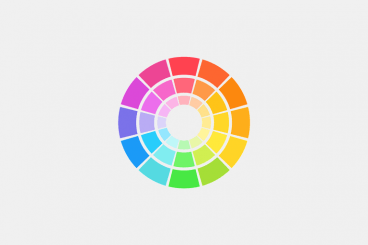
The web is a rainbow of color options. Color is a great tool for grabbing the attention of users, providing visual interest and impact and creating contrast for readability. Color is also at the center of many design trends, including flat and material styles.

But can you go wrong with color? Are there hues or combinations that you should shy away from? In a word … yes! Today we’re looking at colors or color combinations that you should avoid when designing websites and apps. (And on the chance that you’ve already made one of these mistakes, we offer alternative suggestions as well.)

5 Alternatives to Drop-Down Hover Menus

UX Design / 21 Mar 2016

5 Alternatives to Drop-Down Hover Menus

Is the era of drop-down hover menus over? It might well be. This design pattern doesn’t work for today’s users. The concept is clunky and doesn’t always translate well to smaller screens.

Users want menus and navigation options that are easier to use, simple to understand and don’t come with more options than they can think about in a few seconds. Navigation menus should be device-agnostic and work in the same way, creating a single experience, across device types. So what can you do to say goodbye to those drop down menus? We have five alternatives.

7 UX Design Tips for Mobile Apps

App Templates / 2 Mar 2016

7 UX Design Tips for Mobile Apps

Do you have a mobile app project in the works? What’s your design plan? Have you jumped straight in, or stopped to consider the experience that the end user is going to have when they first open the app?

It might be worth thinking about an aesthetic featuring carefully considered user experience techniques. Many of the concepts that we’re seeing in website design apply to mobile apps as well, but they might take on a slightly different shape or form to better fit the smaller screen size.

Here, we’re going to look at seven great options and examples that you can apply to your own mobile app design.

How Emotion Can Impact Your Website Conversions

UX Design / 16 Feb 2016

How Emotion Can Impact Your Website Conversions

Is there a connection between happy, sad, or funny and getting users to complete an action on a website? You bet there is!

Users connect to websites through branding and personas. This emotional bond happens visually at first but can have deeper linkages when it comes to long-term brand relationships. And elements of the design impact exactly how (or if) these conversions happen. Today we’re going to look a bit more closely at this connection between conversions and emotion, and consider how you can make the most of instilling a positive emotion in your audience.

Google Material Design: Everything You Need to Know

UX Design / 24 Feb 2015

Google Material Design: Everything You Need to Know

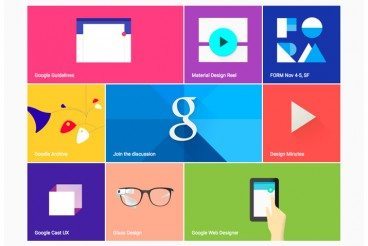
You probably keep hearing the phrase “material design” popping up in conversations. The concept is pretty new; it was introduced in the summer and references a new design language from the folks at Google.

But material design is more than just an idea; it is likely to cause designers to completely rethink web and app design processes. Sites are already beginning to role out design schemes using Google’s material design documentation. So now is the time to learn what it’s all about and if a material design framework is in your future.

Designing for the Interstitial Experience

UX Design / 5 Jan 2015

Designing for the Interstitial Experience

Yes. Those little pop-ups matter, and are starting to matter more every day. Interstitial space – and content for it – is becoming an increasingly popular part of designing for the web. From ads, to forms, to bits of information, the interstitial experience is a vital part of the design process.

The dilemma for designers is to create something that users want to look at and not feel annoyed by. Here we’ll work to gain a better understanding of interstitial space and how you can work within it well.

Designing Hover Styles and the Future of the Technique

UX Design / 24 Dec 2014

Designing Hover Styles and the Future of the Technique

Despite arguments that hover styles are dead, these small boxes that pop-up over images, text or other elements on websites are still found all over the web. Designers like them for an added bit of style and information; users like them for functionality. (They are only “dead” because hover styles don’t work without a mouse-over).

The UI function is still there for now. And if you opt to use it, you’ll want to create well-designed hover styles that engage users. You’ll also want to think about how to alter these areas of your website for responsive sites.

Why Does User Experience Matter?

UX Design / 30 Dec 2013

Why Does User Experience Matter?

User experience – notably poor user experience – has been a hot topic in recent months with the much-publicized launch of HealthCare.gov and its subsequent issues. User experience is a part of the design process that you don’t hear about unless something goes wrong. But it is something that should be an integral part of the design process, from early concepts to the final product.

So with this renewed – and very public – discussion about user experience, why does it matter to designers?