Search Results For: design

What Does That Say? How Typefaces Add Meaning to the Design

Typography / 6 Apr 2016

What Does That Say? How Typefaces Add Meaning to the Design

Can something as simple as a typeface change the meaning of words and an entire design. Of course! A typeface can add a new level of emphasis or meaning to your message.

It can help you connect with users, establish brand, and set the tone for your entire project. The wrong typeface can leave a design feeling flat, disjointed or even give users the wrong impression about your brand. Now let’s take that knowledge and add a little practical application.
Designing for the Web: Are There Colors You Should Avoid?

UX Design / 30 Mar 2016

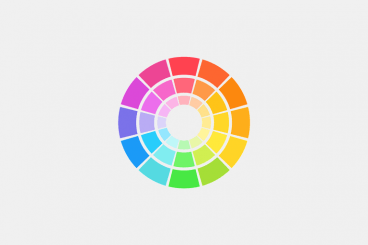
Designing for the Web: Are There Colors You Should Avoid?

The web is a rainbow of color options. Color is a great tool for grabbing the attention of users, providing visual interest and impact and creating contrast for readability. Color is also at the center of many design trends, including flat and material styles.

But can you go wrong with color? Are there hues or combinations that you should shy away from? In a word … yes! Today we’re looking at colors or color combinations that you should avoid when designing websites and apps. (And on the chance that you’ve already made one of these mistakes, we offer alternative suggestions as well.)

Everything You Need to Know About HD Design

Graphics / 28 Mar 2016

Everything You Need to Know About HD Design

If you haven’t already taken note, the web is going high def. From images to backgrounds to user interface elements, high definition is the new normal.

It started with some of the retina and high-resolution screens, but access to faster connections has also emphasized this phenomenon, providing greater access to HD websites from any device. Are you thinking about and designing in high definition? Here are a few things to consider.

Design Theory: The Rule of Three

Graphics / 21 Mar 2016

Design Theory: The Rule of Three

One. Two. Three. Now stop counting and think about how elements grouped in threes can work for your projects. It’s an interesting concept but one that crosses multiple disciplines.

In public speaking, three points in sequence are crafted to drive home a point. In photography and art, the rule of thirds helps you visualize the canvas differently. Even the American Declaration of Independence is rooted in three rights: life, liberty and the pursuit of happiness. How can you think more about groupings of three and implement this magic number into your projects? We have a few suggestions.

7 UX Design Tips for Mobile Apps

App Templates / 2 Mar 2016

7 UX Design Tips for Mobile Apps

Do you have a mobile app project in the works? What’s your design plan? Have you jumped straight in, or stopped to consider the experience that the end user is going to have when they first open the app?

It might be worth thinking about an aesthetic featuring carefully considered user experience techniques. Many of the concepts that we’re seeing in website design apply to mobile apps as well, but they might take on a slightly different shape or form to better fit the smaller screen size.

Here, we’re going to look at seven great options and examples that you can apply to your own mobile app design.

How to Organize Complex Design Projects

Business / 29 Feb 2016

How to Organize Complex Design Projects

Not every design project is easy to delve into. Some projects, particularly new branding guidebooks, materials or website redesigns, can take a lot of time. There’s just so much content contained in the project.

Some projects are packed with information, images, video, downloads and other content that must be part of the final design, creating a specific design challenge. We talk about simplicity a lot, but what about those times when the project is anything but simple? Here, we’ll walk through ways to organize, manage and plan complex design projects.

5 Ways to Boost Contrast in Your Web Design

Graphics / 25 Feb 2016

5 Ways to Boost Contrast in Your Web Design

Is your design project lacking that special pop? It’s likely what you are missing is enough contrast. Contrast provides differentiation between elements, making each one look more individual, prominent and special.

Design contrast is created in a number of ways, and using all different types of elements. From typography to color to space, creating contrast can take a design from bleh to wow. Here are five ways to do it.

How to Create a Design That Lives in Space

Graphics / 8 Feb 2016

How to Create a Design That Lives in Space

When you think of space, the first thing that might come to mind as a designer is “white space.” Today though, we are going to look at outer space and how to design elements that live in the outer realms.

The trick to designing “in space,” as we’ll call it, is to avoid common traps and clichés. But an overall dark and starry aesthetic can be a fun way to do something a little bit different with a project. Join us as we take a look at a few examples, and tips for figuring out how this type of design can work well.

How to Critique Your Own Work as a Freelance Designer

Freelancing / 1 Feb 2016

How to Critique Your Own Work as a Freelance Designer

Working alone can come with a lot of perks, but there are some things that always seem easier when you are in a more structured group environment. One of these things is gathering feedback for your work.

With practice, you can learn to step back and provide a pretty good critique of your own design projects. It will take a little practice to get comfortable with the idea, but plenty of freelancers are quite good at evaluating their own work. If it’s not something you feel good about, this guide can help you learn to better critique your own work as a freelance designer.

How to Design Killer Micro-Content

Graphics / 25 Jan 2016

How to Design Killer Micro-Content

The smallest parts of a design project can be the most important. It’s something we all know conceptually, right?

But do you ever get caught just filling in these details at the last minute? Does your micro-content suffer because you are ready to be finished with a project? Don’t let that happen. Plan out micro-content from the start to create better, more usable pieces that will help make the design better than you had hoped.

Design Trend: How to Create a Cool Split Screen Aesthetic

Layouts / 22 Dec 2015

Design Trend: How to Create a Cool Split Screen Aesthetic

One screen divided in two. This might be one of the bigger design trends emerging right now. More and more websites are using design patterns that include two vertical or square panels placed side by side.

And it’s a nice aesthetic. The look is user friendly, can be adapted for a variety of needs, and helps guide navigation. It’s a trend that we are likely to see more of – and design – in the coming months. Today we are looking at a few great examples of split screen design with mini case studies and finding out how you can make the most of this design trend.

Grid-First Design: How to Create Vertical Rhythm and Harmony

Layouts / 8 Dec 2015

Grid-First Design: How to Create Vertical Rhythm and Harmony

When you hear grid, what’s the first thing that comes to mind? For most designers, it is often a horizontal based concept with columns across the canvas. This is especially true when thinking about web and digital design projects.

But what about vertical grids? It is just as important to create flow up and down the page as well. And there are a number of ways to do this with grid systems.