Search Results For: design

Do You Have a Design Checklist?

Business / 29 Oct 2014

Do You Have a Design Checklist?

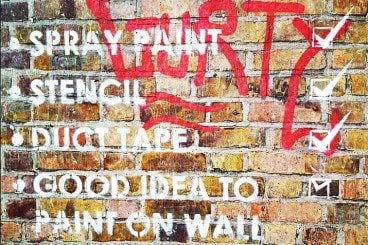
While every project is unique, every project also has a set of things and processes that are always part of your workflow. That’s where having a good design checklist comes in. This guide can help you manage projects and workflow, delegate tasks among team members and ensure that everything is complete before a design project is handed over. A good design checklist can help keep you from going astray during a project.

You may need several types of checklists in your toolkit: project design (print or digital), planning, execution, and printing and delivery. These lists can have overlap or not and can serve as starting points for you to create a checklist tailored to your design work.

Layouts / 20 Aug 2014

How to Create Patterns in Design Projects

Think of how many patterns you follow in your daily routine. From waking up and getting ready for work to falling asleep each night, the day is filled with these small repeating elements that create order and calm. Patterns in design do the very same thing: These repeating elements can bring order to a project and create a sense of calm (or chaos) to set a tone.

That’s the true appeal of a pattern. It helps direct users through an aesthetic by following the pattern or series of objects and tells users how to interact with something. Designers can create patterns in a number of ways – with backgrounds, objects, color, words, panels or by using a combination of these elements.

Designer’s Guide to Printing Book-Style Items

Layouts / 18 Aug 2014

Designer’s Guide to Printing Book-Style Items

One of the most complex jobs you can take on as a designer is getting something ready for book-style printing. Not only will this type of project include a lot of pages, it can also come with options not available for other types of design projects and its own set of terms and lingo.

What are the terms you need to understand when getting something ready to be printed book-style? We’ve got the answers so you can tackle your first book-style or bound printing job.

Why Every Designer Needs a Code of Ethics

Business / 5 Aug 2014

Why Every Designer Needs a Code of Ethics

Many professions have codes of ethics, a common set of guiding principles that help you make fair decisions. Codes often protect both the worker and client from poor business practices.

Designers working in a team or individual environment should be working with a code of ethics. Many designers might even follow multiple codes – one set by an employer, one set by professional organizations and one that is a more personal set of rules and guidelines. One thing is certain: Every designer needs a code of ethics.

How to Tell a Story With Design

Inspiration / 30 Jul 2014

How to Tell a Story With Design

Design is a method of expression. It communicates a visual message to those who see it. It also communicates a story, whether implied or clearly stated.

As a designer, it is your job to make sure that story is clear. The design story should fall in line with the story of the company, brand, website, game, bottled drink or whatever you are working with. Telling a story is important to create a lasting impression and make your “thing” more memorable than all the others out there.

How to Create an Emotional Connection With Design

Graphics / 9 Jul 2014

How to Create an Emotional Connection With Design

Every project you complete connects with users in some way. The design communicates a message and a tone. The emotional tone is what we are going to take a deeper look at and try to better understand.

Emotional connections fall into four basic category pairs – joy and sadness, trust and disgust, fear and anger, and surprise and anticipation. Understanding this range of emotion and how it relates to a visual message is important so that your design projects are received as they are intended. As you read through this post, take a look at the featured websites and think about how each one makes you feel and what parts of the visual aesthetic contributes to that emotion.

Using Lines and Curves in Design Projects

Graphics / 7 Jul 2014

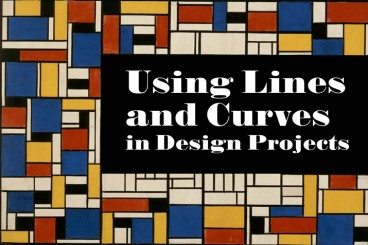
Using Lines and Curves in Design Projects

Some of the most subtle parts of a design can be the most important. Think about some of the details in design projects such as lines and curves. These simple shapes can be used in the foreground, background lettering or as a dominant art element.

Not every line is created the same. From thickness to orientation to amount of curvature, these simple shapes can have quite a bit of meaning. So before you draw that first line, here’s a primer and tips for using lines and curves in design projects.

Design for Everyone: Considering Accessibility in Visual Projects

Accessibility / 19 Jun 2014

Design for Everyone: Considering Accessibility in Visual Projects

Because design is such a visual concept, we don’t always stop to think about how design can impact users with certain disabilities. From vision to hearing or even touch impairments, how you design a website, brochure or even package can look or work a different way to different people.

And while you can’t design so that every element is perfect in every condition for every user, there are some things you can do and think about to make your design projects more accessible to a larger number of people. Simple techniques such as color choice, texture, shading and sound effects can make a difference to users.

Design Science: What Is Gestalt Theory?

Inspiration / 18 Jun 2014

Design Science: What Is Gestalt Theory?

If you are like me, it’s been a while since you finished you last formal design class. (And some of us never had any formal design classes.) So a refresher in some of the science behind design seems important. What is gestalt theory and do I really need to understand it?

Today, we’ll focus on one of the guiding principles of design. Gestalt theory is something you likely encounter and use almost every day. But do you understand the theory behind your actions? And how can you make even better use of this concept in your design work?

How to Use Cool Color in Design Projects

Inspiration / 10 Jun 2014

How to Use Cool Color in Design Projects

Cool and warm colors. These descriptions are commonly used to describe hue choices in a variety of conversations – fashion, beauty, decorating and design. But while we commonly talk about warm and cool, do you really know what these terms mean and how to use the colors?

Today, we will look at using cool color in design projects and create a few color palettes with cool hues. (Also make sure to check out the recent Design Shack article featuring warm colors.)

How to Use Warm Color in Design Projects

Inspiration / 2 Jun 2014

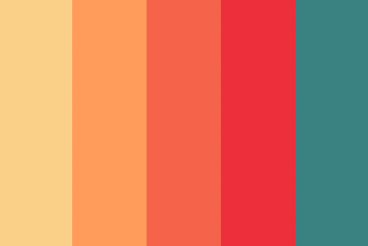
How to Use Warm Color in Design Projects

Warm and cool colors. These descriptions are commonly used to describe hue choices in a variety of conversations – fashion, beauty, decorating and design. But while we commonly talk about warm and cool, do you really know what these terms mean and how to use the colors?

Today, we will look at using warm color in design projects and create a few color palettes with warm hues. We’ll also investigate the theory and meaning behind different choices.

Horizontal Harmony in Design: Keep It Between the Lines

Layouts / 6 May 2014

Horizontal Harmony in Design: Keep It Between the Lines

Horizontal harmony. It’s one of those things that you seem to only notice when it is missing. Horizontal harmony is the relationship between elements across a design. It’s more than lines and rules; it’s also an invisible grid creates a sense of place for design elements.

How can you create horizontal harmony? While some techniques are easier than others, it is not an overwhelming concept. It just takes a little planning. By thinking about things such as a baseline grid, space between lines of text, positioning of elements and the overall aesthetic, horizontal harmony is just part of the design process.