Search Results For: professional

Are You a Right-Brained or Left-Brained Designer?

Business / 17 Sep 2015

Are You a Right-Brained or Left-Brained Designer?

Colors, pictures, creativity; designers are quite obviously a group of people that tend to gravitate towards using the right sides of their brains… right? Or is this simply a stereotype that doesn’t necessarily ring true?

Is design exclusively artistic talent put to productive use or is it possible that the industry is equally full of analytical problem solvers? Let’s take a look at how designers think, whether you’re a right brainer or a left brainer, and how I’ve struggled through being a left brainer in an industry of right brainers.


10 Ways Designers Solve Problems

Business / 27 Aug 2015

10 Ways Designers Solve Problems

Designers, by nature, are problem-solvers. Every project is a problem or challenge that involves helping other people understand something. Designers have to see through all the fog and clutter to create a solution.

This creative type of problem solving comes naturally in part, but some of the actions are learned. Have you ever stopped to think about how you work to solve problems? Here we will examine 10 ways that designers do just that with a collection of abstract images to inspire some of that problem-solving thinking.

Designing Your Resume: Create the Perfect First Impression

CV & Resume Templates / 17 Aug 2015

Designing Your Resume: Create the Perfect First Impression

Resume design is as much about content design as aesthetics. It’s great to have a resume that stands out and makes a potential employer say “wow,” but that wow factor has to keep flowing as they read through the contents of your work history.

It’s a delicate balance between design and content. Treat developing your resume as you would any other design project. Start with the content first. Develop all the things that need to be on your resume and then let that drive the look of the words on the page. (And we all know resume design can be a challenge because there is so much text.)

How to Create a Google+ Cover Image: Examples and Best Practices

Inspiration / 6 Jul 2015

How to Create a Google+ Cover Image: Examples and Best Practices

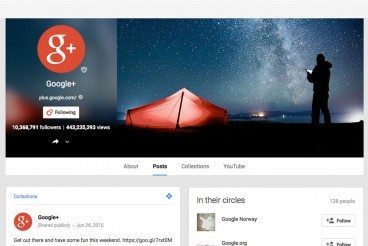
A Google+ cover image is more than just a photo. It is the first impression you are giving a potential customer or user about your business or website. The photo should represent who you are, what you do, and why users should engage with your page.

It should also serve as a gateway to other actions. Google+ is a business gateway and social media platform. The information you provide and share goes into search rankings and helps more users find you online. It all starts with a great cover photo.

Code Free Web Design With Webydo

Business / 11 May 2015

Code Free Web Design With Webydo

Web design can sometimes be frustrating for those who are not fluent in HTML or JavaScript or other programming languages. This is especially true of responsive web design. Webydo is here to help.

The website building platform offers designers (and pretty much everyone) the opportunity to create a responsive website with a great design without knowing the first line of code. Without any technical knowledge, just about anyone can publish a website backed by a full content management system.

10 Tips for Delicious Menu Design

Inspiration / 25 Mar 2015

10 Tips for Delicious Menu Design

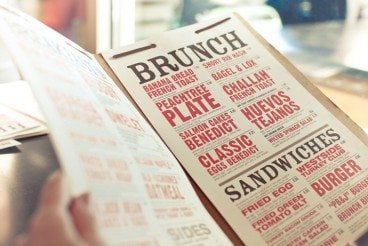
Have your ever thought about the way food items were presented to you on a menu? Can something as simple as a menu design determine what and where you will eat? Creating a design for a restaurant menu – paper copies for the table and online versions – is a vital part of the food industry because the way things look can impact sales.

The topic got recent attention thanks to Brian Wansink, who wrote “Slim By Design” and a recent paper for the International Journal of Hospitality Management, asserts menu design can impact exactly what someone orders. And it is all based on simple elements that we use every day from bold lettering to images to creating hierarchy on the canvas. Here are 10 ways you can use some of that information and other techniques to create an absolutely delicious menu design.

Understanding and Working With Aspect Ratio

Layouts / 17 Feb 2015

Understanding and Working With Aspect Ratio

Every image, every canvas, every frame has a shape. And often that shape is a rectangle. Even more common is a rectangle of a particular proportion based on medium.

From cameras to television to movies to computer screens, every medium has an almost distinct shape on to itself. That can be a challenge for designers, especially when you have to crop and convert content and information to fit a variety of mediums. Because of all these different shapes, understanding aspect ratios can help you easily move images and designs from one medium to another.

How Color, Type and Space Can Impact Mood

Graphics / 12 Feb 2015

How Color, Type and Space Can Impact Mood

Do you ever think about mood when you are designing? Mood has impact in two ways – the mood of the project itself and the mood of users. Together they create an experience that connects each user to the project.

While you can’t always account for the mood of users, or their good and bad days, you can create an aesthetic that emphasizes the right mood for your project. Three basic design techniques – color, typography and space – are key components for establishing the mood of a project.

Freelancing 101: How to Collaborate When You Work Alone

Freelancing / 9 Sep 2014

Freelancing 101: How to Collaborate When You Work Alone

One of the biggest misconceptions of working as a freelancer is that it means working alone. It’s actually very much quite the opposite. How would you ever expect to do business if you don’t work with anyone?

The reality is the more people you work with, the more successful you are likely to be as a freelancer. And just like when working for a firm or agency, freelance designers should make a point to collaborate with others regularly. Here are 10 ways you can put your head together with other designers (or clients) to better get the job done.

Why Every Designer Needs a Code of Ethics

Business / 5 Aug 2014

Why Every Designer Needs a Code of Ethics

Many professions have codes of ethics, a common set of guiding principles that help you make fair decisions. Codes often protect both the worker and client from poor business practices.

Designers working in a team or individual environment should be working with a code of ethics. Many designers might even follow multiple codes – one set by an employer, one set by professional organizations and one that is a more personal set of rules and guidelines. One thing is certain: Every designer needs a code of ethics.

Design for Everyone: Considering Accessibility in Visual Projects

Accessibility / 19 Jun 2014

Design for Everyone: Considering Accessibility in Visual Projects

Because design is such a visual concept, we don’t always stop to think about how design can impact users with certain disabilities. From vision to hearing or even touch impairments, how you design a website, brochure or even package can look or work a different way to different people.

And while you can’t design so that every element is perfect in every condition for every user, there are some things you can do and think about to make your design projects more accessible to a larger number of people. Simple techniques such as color choice, texture, shading and sound effects can make a difference to users.

How to Use Cool Color in Design Projects

Inspiration / 10 Jun 2014

How to Use Cool Color in Design Projects

Cool and warm colors. These descriptions are commonly used to describe hue choices in a variety of conversations – fashion, beauty, decorating and design. But while we commonly talk about warm and cool, do you really know what these terms mean and how to use the colors?

Today, we will look at using cool color in design projects and create a few color palettes with cool hues. (Also make sure to check out the recent Design Shack article featuring warm colors.)