Search Results For: quality

Designer’s Guide to Printing Book-Style Items

Layouts / 18 Aug 2014

Designer’s Guide to Printing Book-Style Items

One of the most complex jobs you can take on as a designer is getting something ready for book-style printing. Not only will this type of project include a lot of pages, it can also come with options not available for other types of design projects and its own set of terms and lingo.

What are the terms you need to understand when getting something ready to be printed book-style? We’ve got the answers so you can tackle your first book-style or bound printing job.
The Science Behind Color and Emotion

Graphics / 30 Jun 2014

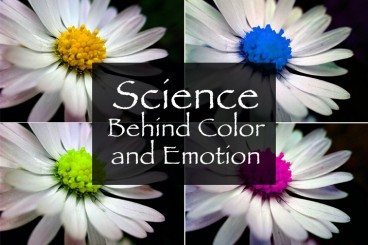
The Science Behind Color and Emotion

Color resonates with people in different ways. We all have a favorite color or color that we use more during specific periods of life. But the color you use in a design project can say a lot about the work itself. That’s a scientific fact.

The science behind our emotional connections to color is a complicated one. But it is becoming more clear through anecdotal knowledge and scientific experimentation. Here are five hypotheses and a fifth-grade level experiment you can try to help us better design with color and understand its emotional impact.

How to Use Cool Color in Design Projects

Inspiration / 10 Jun 2014

How to Use Cool Color in Design Projects

Cool and warm colors. These descriptions are commonly used to describe hue choices in a variety of conversations – fashion, beauty, decorating and design. But while we commonly talk about warm and cool, do you really know what these terms mean and how to use the colors?

Today, we will look at using cool color in design projects and create a few color palettes with cool hues. (Also make sure to check out the recent Design Shack article featuring warm colors.)

Math for Designers: It’s a Numbers Game

Business / 17 Mar 2014

Math for Designers: It’s a Numbers Game

Most of the time you don’t think about math and design at the same time. Maybe you think these concepts are as far removed from one another as possible. But math can be an important skill for every designer.

From working on projects – there are plenty of design theories based in math – to calculating rates and payment for a client project, crunching numbers can be an important item in every designer’s toolbox. Today, we are going to look at some of the time-tested formulas that can be found in great design and ways that every designer can use math. So you might just want to grab a calculator!

6 Famous Logos That Leverage Inconsistent Design

Graphics / 29 Dec 2013

6 Famous Logos That Leverage Inconsistent Design

One of the most powerful tools that you can use to improve any design is repetition. Repeating colors, shapes and other visual elements throughout a design increases consistency and familiarity so that the design feels more attractive.

But what about the flip side of this idea? Is it possible to wield inconsistency in such a way that it improves the quality of a design? It turns out that lots of well known logos use this very tactic. Read on to see what they are.

5 Traits of Successful Minimalism

Minimalist Graphic Design / 2 Oct 2013

5 Traits of Successful Minimalism

At first glance, minimalist websites might look like they’ve just been slapped together as quickly as possible. After all, they’re plain and simple, and most people tend to associate lots of detail with good craftsmanship. But the same rules just don’t apply to the online world.

It only takes a small amount of user interaction to quickly reveal the quality of a minimalist site. This is because the original idea that fueled the rise of minimalism was that functionality is inherently beautiful. A design that clarifies and reveals the structure of a website can be just as appealing as one that obscures its purposes behind fancy decorative additions. Furthermore, it often yields a much better user experience, because those unnecessary distractions are eliminated.

10 Printing Terms You Need to Know

Business / 7 Aug 2013

10 Printing Terms You Need to Know

More and more designers these days are working in a variety of mediums — both digital and print. But it can take a different set of specifications to put together a successful project for each. Print design has its own jargon.

Understanding how printing works (and how to speak the language of printers) is important for any designer. Don’t think this applies to you because most of your business is web-based? Consider this: At some point a client will ask for print components to go with the website, whether they are business cards or posters or just a great handout for presentations. Knowing the printing basics and terminology will help you bridge the gap. Here are ten key terms you need to know.

Pinterest for Designers: Using It to Your Advantage

Inspiration / 22 May 2013

Pinterest for Designers: Using It to Your Advantage

Design inspiration is all around us. And every day there are new tools popping up to help us collect and share that inspiration. One of those great tools is Pinterest. The image collection platform is a fantastic source of design inspiration, from typography to print, web or packaging design.

Newer additions to the service, such as boards for business and hidden boards make the tool even more useful. Haven’t gotten on board with Pinterest yet? Not sure how to make it work for you? Read on.

40 Awesome jQuery Plugins You Need to Check Out

JavaScript / 10 May 2013

40 Awesome jQuery Plugins You Need to Check Out

The jQuery developer community has to be one of the most generous and hardworking group of people on the web. They’re constantly churning out amazingly useful and completely free tools that they share with anyone and everyone who wants to use them.

The quantity and quality of free jQuery plugins simply never ceases to amaze me. I’ve been keeping a list of some great ones that I’ve found lately and I thought I’d share it with you. Here are 40 awesome and free jQuery plugins that just about every web developer should check out.

Design a Business Card That Won’t Get Thrown Away

Business Card Templates / 10 Apr 2013

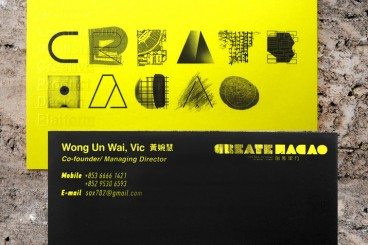
Design a Business Card That Won’t Get Thrown Away

It’s an almost unavoidable part of doing business – the business card. While more people are beginning to ditch traditional paper cards for digital counterparts, the business card is still an integral part of doing business.

Cards are almost as commonplace as the handshake, and it’s something you’ll always want to have ready to hand when you meet a potential new client.

So what makes your card stand out from the pack? How can you design a card that won’t get thrown away minutes after the meeting? And how can your card best illustrate the style of your work?

Let’s delve into some suggestions and tips today.

How to Creatively Market Yourself as a Designer


Business / 27 Mar 2013

How to Creatively Market Yourself as a Designer


Sometimes it seems like every time you jump online, you read about a talented new designer who’s making it big with their latest project. There are a lot of wonderful designers out there, and the constant showcasing of others’ skills makes it feel all the more like you’re lost in the crowd. It’s not enough anymore to have a solid portfolio and work experience; if you really want to stand out in today’s market, going the extra mile in marketing yourself can make all the difference in landing the perfect job, or getting some great freelance projects going.

When you’re considering all the ways that you could market yourself, the most important thing to take into account is how much of a time commitment you can realistically make. Don’t overstretch yourself with a daily blog entry or illustration unless you think you’ll be able to do a great job on it. There are many different levels of requirement for projects that can make a difference in your career; choose what works for you.

How to Create a Visual Brand for Yourself

Business / 13 Nov 2012

How to Create a Visual Brand for Yourself

Getting work is about more than your portfolio. Designers must also know a bit about marketing. This is especially true for freelancers. Your marketable self can, and will, help you land (or lose) work before it even hits your radar.

It is important to create a consistent brand for yourself today. Look at the channels you are using and how you are identified online, decide how you want to be identified and what your name and image should be, and then go out and make it happen. Here are a few tips to get you started.